
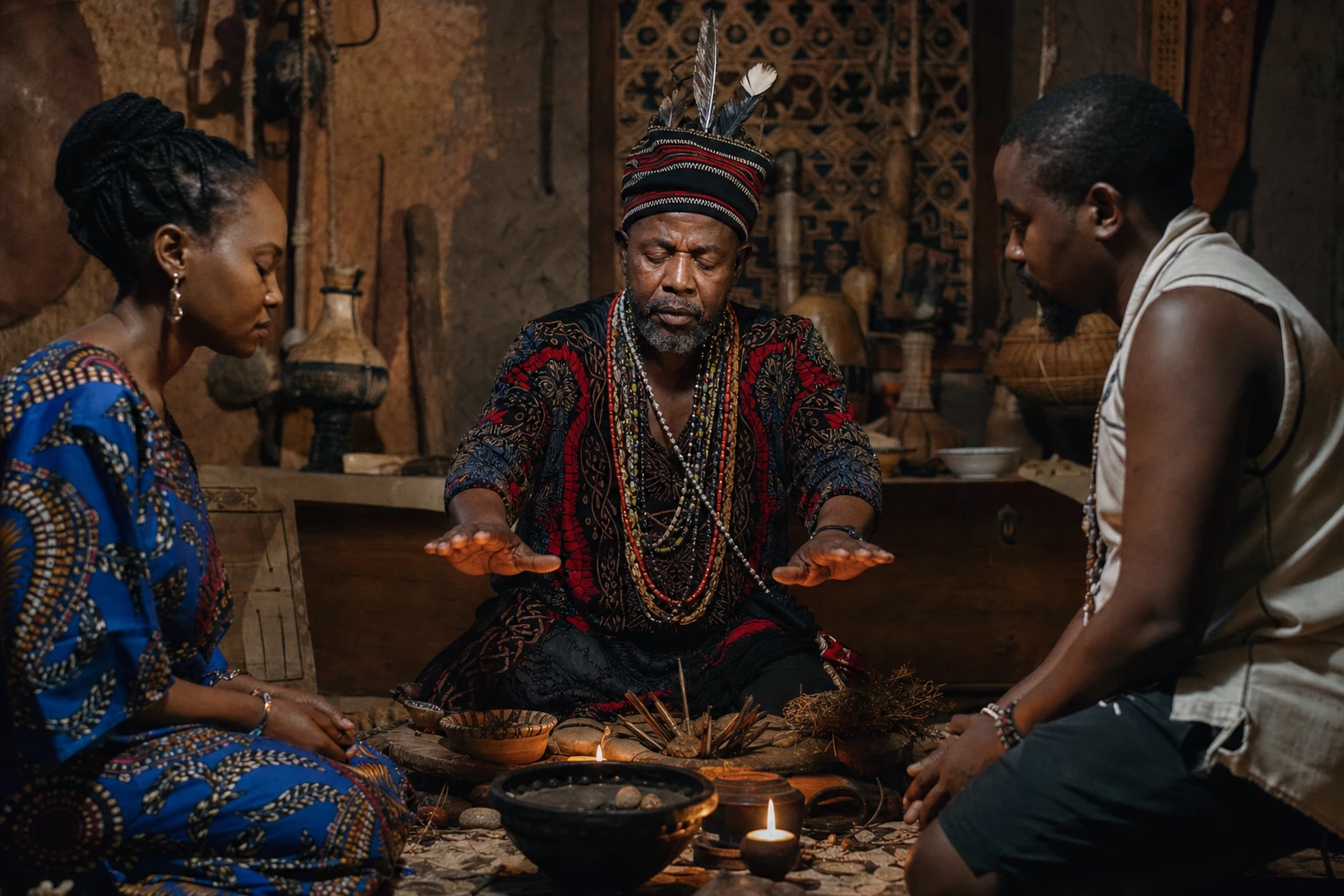
Traditional Practices for Relationship Reconciliation: A Spiritual Perspective
Relationship conflict, separation, or a painful breakup can leave people searching for clarity, comfort, and direction. In many cultures, traditional practices for relationship reconciliation are used as symbolic and reflective ways to explore emotions, intentions, and the possibility of healing. These practices do not replace honest communication or professional support, but they may help individuals reflect on what they truly want, what went wrong, and whether reconciliation is possible with mutual respect.
What Are Traditional Practices for Relationship Reconciliation?
Traditional practices for relationship reconciliation are spiritual or cultural approaches that people may use when facing emotional distance, conflict, or separation. They often involve prayer, reflection, blessings, symbolic rituals, or guidance from a trusted spiritual practitioner.
These practices are usually meant to support inner clarity rather than control another person’s choices. In a healthy approach, relationship reconciliation depends on mutual willingness, respectful communication, and personal responsibility from both people involved.
Across different traditions, people may seek relationship guidance to understand emotional patterns, release resentment, or set peaceful intentions. The focus is often on healing, forgiveness, and deciding whether reconnecting is wise and respectful.
Why People Turn to Spiritual Practices After Relationship Difficulties
After a breakup or serious disagreement, emotions can feel overwhelming. People may feel grief, confusion, guilt, anger, or hope, and traditional spiritual practices can provide a calm space for relationship reflection.
Some people turn to spiritual practices because they want meaning during a difficult time. They may be seeking reassurance, not in the form of guaranteed outcomes, but through a deeper understanding of their situation and emotions.
For others, reconciliation after separation may feel possible, but uncertain. Spiritual practices can help them explore whether their intentions are sincere, whether the relationship was healthy, and what steps should come next.
Traditional Approaches to Reconciliation
Traditional approaches to reconciliation vary widely between cultures and belief systems. Some may include prayer, candle lighting, ancestral blessings, cleansing practices, meditation, or offerings of gratitude and peace.
These actions are often symbolic. For example, lighting a candle may represent hope, while prayer may help a person ask for wisdom, patience, or emotional healing during a difficult relationship period.
It is important to understand that no ritual should be viewed as a way to force someone to return or change their feelings. Respect for free will and personal choice is essential in any ethical spiritual practice.
Intention-Setting and Personal Reflection
Personal intention-setting is a meaningful part of many traditional spiritual practices. It encourages a person to ask, “What am I truly seeking?” and “Am I acting from love, fear, guilt, or control?”
This process can help someone become honest about their role in the conflict. Relationship reflection may reveal patterns such as poor communication, jealousy, avoidance, or unresolved hurt that need attention.
Setting an intention does not guarantee relationship reconciliation. Instead, it helps guide a person toward more thoughtful actions, whether that means reaching out respectfully, apologizing, creating boundaries, or accepting closure.
Communication and Personal Responsibility
Healthy reconciliation requires more than spiritual reflection. It also involves practical communication, emotional maturity, and a willingness to listen to the other person’s experience without pressure or blame.
Both people have their own choices, feelings, and boundaries. A respectful path forward cannot be built on manipulation, fear, or expectation; it must include mutual consent and honest dialogue.
Traditional spiritual practices can complement communication by encouraging patience and self-awareness. However, they should not replace relationship counseling, mediation, or other appropriate professional support when needed.
What to Expect From a Spiritual Consultation
A spiritual consultation may offer a private and respectful setting to discuss your relationship circumstances. You may be invited to share what happened, what you hope for, and what kind of guidance you are seeking.
The consultation may include discussion of traditional spiritual practices, personal intention-setting, or reflective steps that align with your beliefs. The focus should be supportive, ethical, and culturally respectful.
A responsible spiritual consultation should not promise a specific outcome. Instead, it may help you consider your emotions, your choices, and whether reconciliation is realistic, healthy, and mutually respectful.
Maintaining Realistic Expectations
When exploring traditional practices for relationship reconciliation, it is important to remain grounded. Spiritual practices may support reflection, hope, and emotional balance, but they cannot guarantee that another person will return or reconcile.
Sometimes reconciliation after separation is possible when both people are willing to communicate and rebuild trust. Other times, the healthiest outcome may be acceptance, healing, and moving forward separately.
Maintaining realistic expectations protects your emotional well-being. It allows spiritual practices to serve as a source of insight and peace, rather than a substitute for mutual effort, consent, and honest relationship work.
Traditional practices for relationship reconciliation can offer comfort, structure, and reflection during emotionally difficult times. When approached respectfully, they may help people clarify their intentions, consider their responsibilities, and seek peace in their relationships. Still, reconciliation depends on personal choice, mutual willingness, healthy communication, and respect for both people involved. If you would like to discuss your circumstances privately, you may consider requesting a spiritual consultation in a calm and confidential setting.