
Traditional Spiritual Cleansing Practices Explained
Traditional spiritual cleansing practices have been used for generations to help people feel renewed, peaceful, and connected to something greater than themselves. Across many cultures, these rituals are believed to symbolically clear negativity, restore emotional balance, and support spiritual renewal. While these practices can be meaningful and comforting, they are based on cultural and personal beliefs. They are not substitutes for professional medical, psychological, legal, or financial advice. Instead, they can be understood as reflective traditions that encourage calm, intention, and inner awareness.
How Spiritual Cleansing Traditions Restore Balance
Water, Baths, and Ritual Washing
Water is one of the most common symbols in traditional spiritual cleansing practices. In many traditions, water represents purification, life, emotional release, and new beginnings. Cleansing baths, ritual washing, and sacred water ceremonies are often used to symbolically wash away heaviness, sadness, or unwanted energy. For example, spiritual baths may include herbs, flowers, or salt, while some religious traditions use water for blessings, baptism, or preparation before prayer.
In African diasporic traditions, herbal baths may be prepared with specific plants connected to protection, peace, or good fortune. In Hindu practices, bathing in rivers such as the Ganges is considered spiritually meaningful. In Christianity, holy water is often used as a sign of blessing and purification. These water rituals vary greatly, but they often share the same purpose: helping a person feel spiritually clean, centered, and ready to move forward.
Herbs, Smoke, Incense, and Cleansing Negative Energy
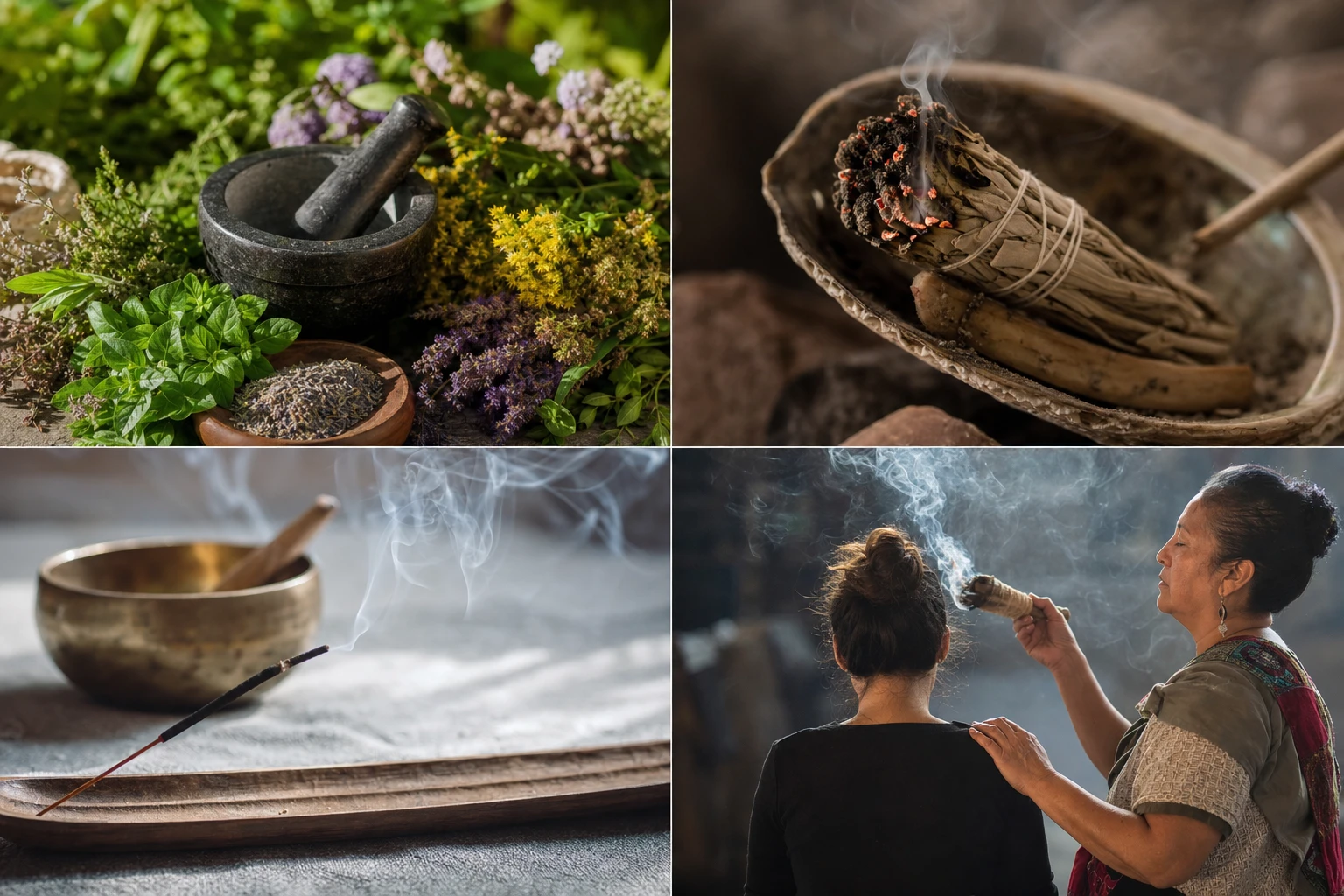
Herbal cleansing and smoke rituals are also widely known in traditional healing practices. Many cultures have burned plants, resins, or incense to create a sacred atmosphere and symbolize cleansing negative energy. Frankincense and myrrh have been used in religious ceremonies for centuries. Copal is important in Mesoamerican traditions. Sandalwood incense is used in many Asian spiritual practices to support meditation, devotion, and calm.
Smoke is often seen as a bridge between the physical and spiritual worlds. It rises into the air, carrying prayers, intentions, or symbolic burdens away. However, it is important to approach smoke cleansing respectfully. Some practices, such as the ceremonial use of white sage in certain Indigenous communities, have deep cultural meaning and should not be copied casually or commercially exploited. People can choose widely available herbs or incense while learning about the origins and meanings behind any tradition they engage with.
Prayer, Meditation, Salt, and Spiritual Renewal
Prayer and meditation are central to many spiritual cleansing rituals because they focus the mind and heart. In some traditions, people pray for protection, forgiveness, guidance, or peace. In others, meditation is used to quiet the mind and release emotional tension. These practices can help a person pause, breathe, and reflect on what they want to let go of and what they want to welcome into their life.
Salt is another powerful symbol in traditional spiritual cleansing practices. It has long been associated with protection, preservation, and purity. Some people sprinkle salt near doorways, add it to cleansing baths, or use it in symbolic rituals to create a sense of safety. Like water, herbs, smoke, and prayer, salt does not “fix” problems by itself. Its meaning comes from intention, tradition, and personal belief.
Safe Ways to Create a Personal Cleansing Ritual
Building a Peaceful Spiritual Cleansing Ritual
A personal spiritual cleansing ritual can be simple and meaningful without being complicated. You might begin by cleaning your space, opening a window, lighting a candle, playing soft music, or sitting quietly with a cup of tea. The goal is to create a calm environment where you can reflect. You may choose to set an intention such as, “I release stress and welcome peace,” or “I am ready for clarity and renewal.”
A gentle routine could include washing your hands with awareness, taking a warm bath, meditating for five minutes, or writing down thoughts you want to release. Some people like to use incense, herbs, flowers, or salt as symbolic tools. Others prefer silence, prayer, or breathwork. The most important part is that the ritual feels safe, respectful, and supportive to you.
Safety, Health, and Common-Sense Precautions
Spiritual cleansing should always be practiced safely. If you burn incense, herbs, candles, or resin, keep the area well ventilated and never leave flames unattended. People with asthma, allergies, pregnancy concerns, or breathing sensitivities should avoid smoke or speak with a qualified health professional. Do not ingest herbs, oils, or salts unless they are clearly safe for consumption and recommended by a knowledgeable professional.
It is also important to remember that a spiritual cleansing ritual is not a replacement for real-world support. If you are facing depression, anxiety, illness, abuse, financial problems, legal trouble, or serious conflict, seek help from appropriate professionals. Traditional spiritual cleansing practices may support reflection and emotional grounding, but they should be used alongside practical care, not instead of it.
Respecting Cultural Traditions
Respect is essential when learning about traditional healing practices from different cultures. Many rituals are connected to ancestry, religion, land, community, and sacred knowledge. Before using a practice, take time to learn where it comes from, what it means, and whether it is appropriate for outsiders to perform. Avoid treating sacred traditions as trends or decorations.
A respectful approach may include reading from reliable sources, listening to cultural practitioners, supporting ethical sellers, and choosing practices from your own heritage when possible. You can also create a personal routine based on universal symbols such as water, light, breath, gratitude, and positive intentions. This allows you to honor the spirit of spiritual renewal without misusing traditions that are not yours.
Traditional spiritual cleansing practices remind us that humans have always looked for ways to release emotional heaviness and restore balance. Whether through water rituals, herbal cleansing, incense, prayer, meditation, or salt, these practices offer symbolic tools for reflection and renewal. When approached with respect, safety, and clear intention, a cleansing ritual can become a peaceful moment to pause, reset, and invite positive energy into daily life.
Traditional Spiritual Cleansing Practices Explained: Rituals for Balance and Renewal
Learn about traditional spiritual cleansing practices, including water rituals, herbal cleansing, incense, prayer, meditation, and salt for symbolic renewal and balance.