
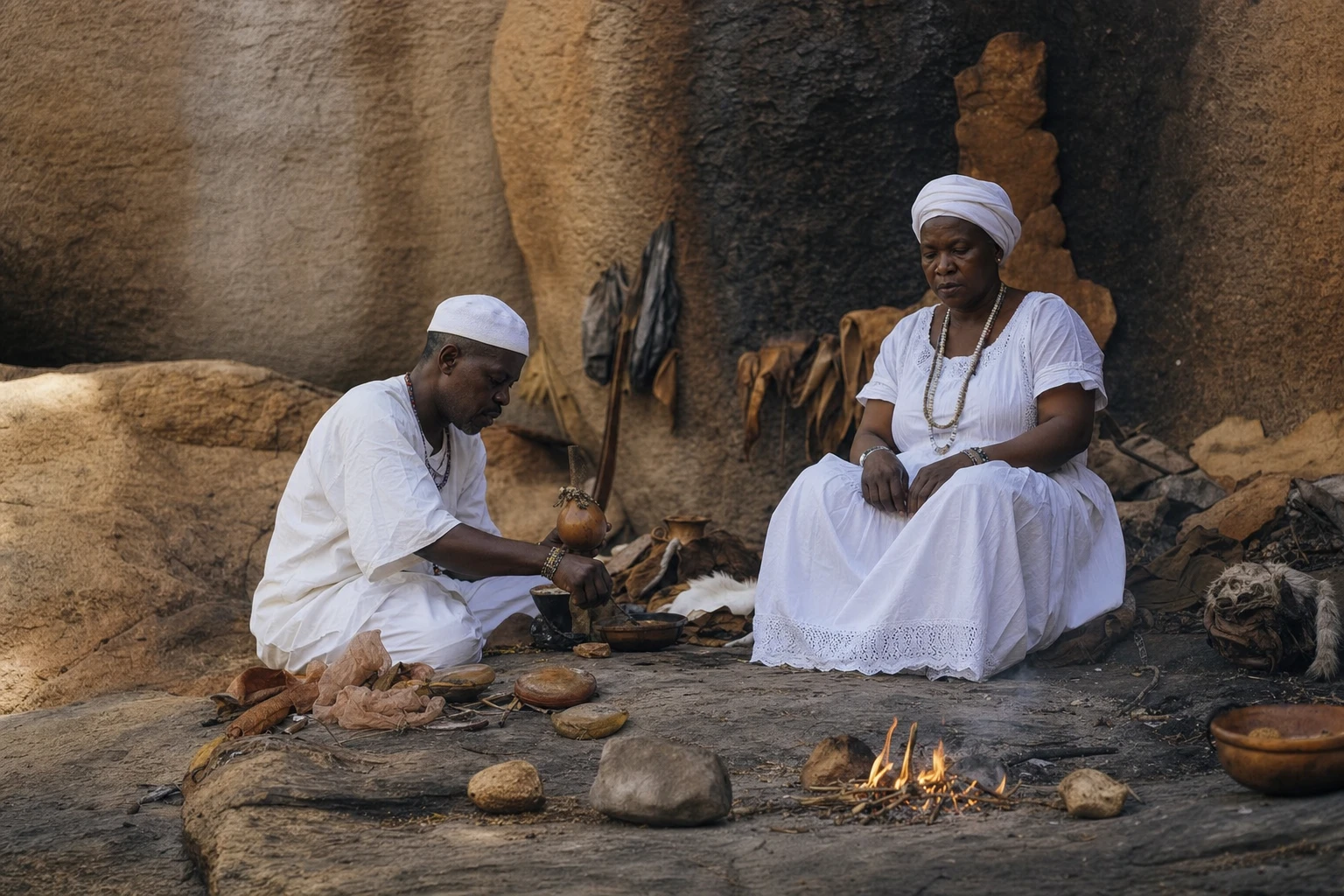
Traditional Spiritual Practices: Understanding Their Meaning and Purpose
Traditional spiritual practices have been part of human life for generations, helping people express belief, identity, gratitude, remembrance, and hope. These practices differ widely across cultures, communities, families, and individual beliefs, so they are best understood with respect, curiosity, and cultural sensitivity.
What Are Traditional Spiritual Practices?
Traditional spiritual practices are customs or activities connected with spiritual belief, cultural identity, and personal meaning. They may be passed down through families, communities, elders, or traditional spiritual traditions.
The term can include prayers, meditation, traditional rituals, spiritual cleansing, ceremonies, symbolic actions, intention-setting practices, and practices connected with seasonal or life transitions.
Not all cultures use the same practices or give them the same meaning. A respectful approach means learning about context rather than assuming one tradition represents all spiritual practices.
Why Do People Follow Traditional Spiritual Practices?
People may follow traditional spiritual practices for personal reflection, spiritual connection, cultural heritage, or emotional grounding. For some, these practices create a meaningful pause in daily life.
Others may turn to traditional ceremonies during important life transitions, such as marriage, grief, new beginnings, family changes, or moments of uncertainty.
Many people also use spiritual practices to express gratitude, set personal intentions, seek renewal, and reflect on the direction they want their life to take.
Examples of Traditional Spiritual Practices
Examples may include prayer and meditation, spiritual cleansing traditions, symbolic rituals, traditional ceremonies, and the use of natural materials such as herbs, incense, flowers, water, or candles.
Some practices are associated with new beginnings, remembrance, protection symbolism, gratitude, or personal commitment. These meanings vary depending on culture, teacher, family, and individual belief.
It is important not to generalize. A ceremony in one culture may have a very different meaning from a similar-looking practice in another tradition.
Traditional Spiritual Practices and Personal Reflection
Traditional spiritual practices often provide a quiet opportunity for personal reflection. A person may pause, consider their circumstances, and think about what matters most to them.
For example, intention-setting practices may help someone focus on patience, forgiveness, courage, gratitude, or making wiser choices in everyday life.
Spiritual reflection can be meaningful, but it should be balanced with practical decision-making. Spiritual practices are not replacements for medical, psychological, legal, or financial professional support.
Understanding Rituals and Symbolism
Traditional rituals often carry symbolic meanings. A ritual may represent renewal, transition, remembrance, gratitude, spiritual cleansing, or a personal commitment to change.
These meanings are personal, cultural, or spiritual; they should not be presented as scientifically proven effects. Individual experiences and interpretations can vary widely.
To learn more about cultural heritage and living traditions, readers may explore resources such as UNESCO Intangible Cultural Heritage or general references on rituals and symbolism.
Exploring Traditional Practices Through Spiritual Guidance
Spiritual guidance can help someone discuss their personal intentions, questions, and interest in traditional spiritual practices in a thoughtful way.
A private spiritual consultation may provide a confidential setting to talk about personal circumstances, cultural background, and appropriate traditional practices.
If you are interested in this kind of support, you can learn more through our internal resources on spiritual guidance or request a private spiritual consultation.
Maintaining Realistic Expectations
Traditional spiritual practices are matters of personal, cultural, or spiritual belief. They should not be described as guaranteed solutions to personal problems.
No ritual or practice should be presented as able to guarantee love, money, luck, health, protection, or control over another person’s thoughts, feelings, or decisions.
A balanced approach honors spiritual life while recognizing personal responsibility, respectful action, and practical support when needed.
Traditional spiritual practices can offer meaningful ways to connect with heritage, reflect on personal values, and approach life transitions with greater awareness. When understood in their cultural and personal context, these practices can be explored respectfully and thoughtfully.
If you would like to explore traditional spiritual practices in relation to your own personal intentions and circumstances, you can request a private spiritual consultation for guidance.