
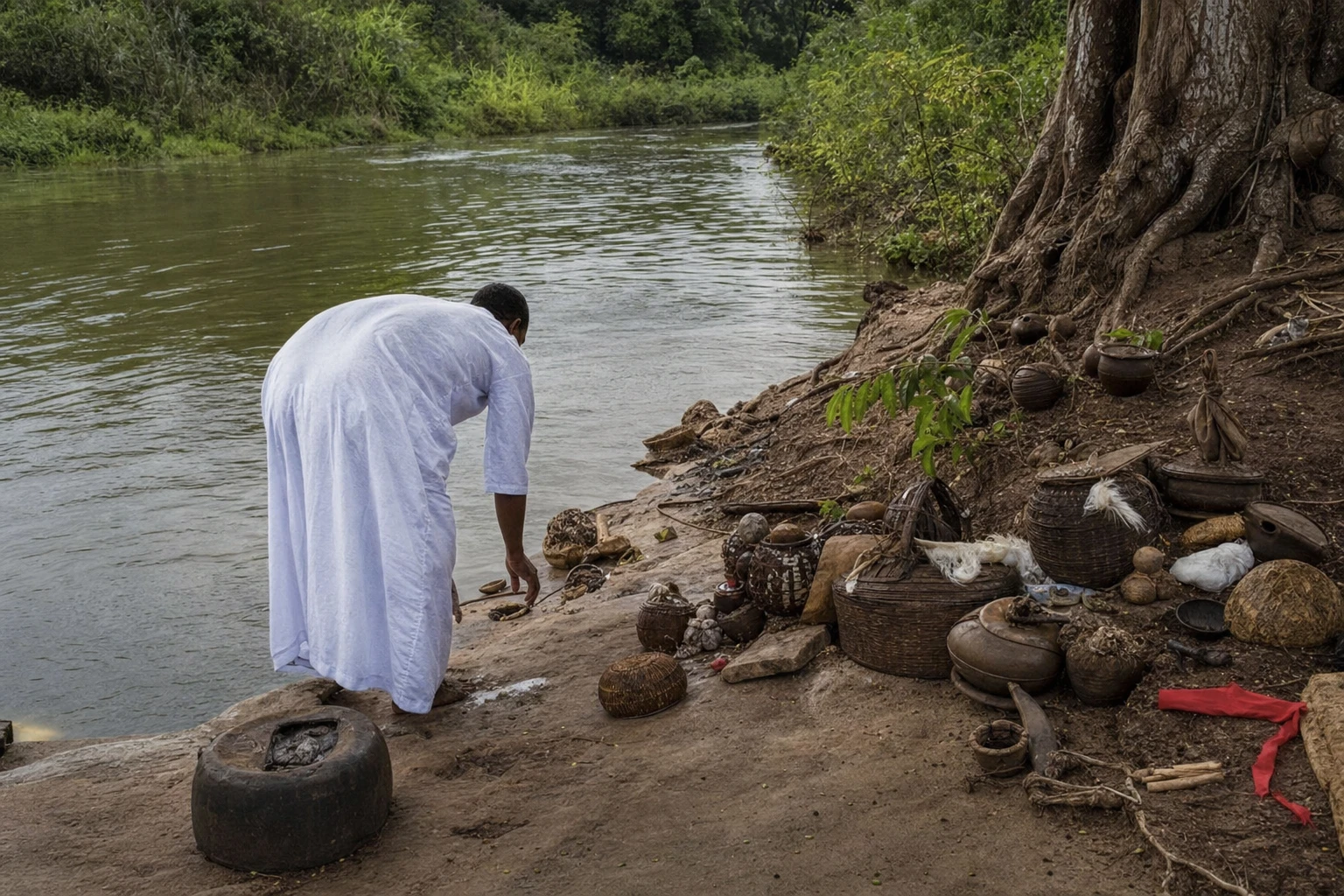
Understanding Traditional Luck Practices: Meaning, Purpose and Personal Reflection
Beliefs about luck, fortune, positive energy and new beginnings have existed across cultures for generations. For many people, understanding traditional luck practices means exploring how symbolic actions, inherited customs and spiritual reflection can shape personal meaning.
Traditional luck practices may be connected to family heritage, religious customs, folk traditions or personal spirituality. They are not the same in every culture, and their meaning often depends on the person or community practicing them.
This article offers a respectful look at traditional spiritual practices associated with luck and opportunity, while keeping realistic expectations in mind.
What Are Traditional Luck Practices?
Traditional luck practices are cultural, spiritual or symbolic practices that people use to express hope, invite reflection or mark a meaningful moment in life. They may be simple, personal or connected to larger community traditions.
These practices can include symbolic objects, prayers, meditation, cleansing customs, intention-setting and rituals connected with new beginnings. Some people may also use candles, herbs, written intentions or inherited family customs.
When understanding traditional luck practices, it is important to remember that they are not scientifically proven methods for controlling events. Their value often lies in meaning, reflection and personal connection.
Why Do People Believe in Luck?
People often turn to beliefs about luck because life can feel uncertain. During times of change, traditional rituals may offer comfort, focus and a sense of hope.
Beliefs about luck can also support confidence. When someone is preparing for a new job, relationship, project or personal decision, spiritual reflection may help them feel more centered.
However, beliefs differ widely between cultures and individuals. What feels meaningful to one person may be symbolic, unfamiliar or purely cultural to another.
The Cultural Meaning of Luck Practices
Many traditional luck practices are connected to cultural heritage. They may be passed down through families, taught by elders or practiced during festivals, ceremonies and life transitions.
In some communities, these customs are part of shared identity. They may reflect spiritual values, respect for ancestors, gratitude, protection or the welcoming of positive intentions.
Because traditions vary so much, it is important to approach them with cultural sensitivity. A practice should not be separated from its background without respect for its meaning and origin. Resources such as UNESCO’s work on intangible cultural heritage can help readers understand how traditions are preserved globally.
Common Types of Traditional Luck Practices
Common examples include symbolic objects associated with good fortune, such as charms, meaningful jewelry, written blessings or items passed through family traditions. Their meaning often comes from belief, memory or cultural symbolism.
Other practices may include traditional prayers, affirmations, cleansing and renewal customs, meditation, personal reflection and personal intention-setting. These can help people slow down and think carefully about their goals.
Some traditions are linked to new beginnings, such as moving into a home, starting a business, beginning a relationship or entering a new year. These practices should be viewed as symbolic support, not as guarantees of specific results.
Luck, Intention and Personal Reflection
Traditional luck practices can encourage people to reflect on what they truly want. Writing intentions, saying prayers or meditating may help clarify priorities.
This is where spiritual reflection can be personally meaningful. A ritual may not control outside events, but it can help someone approach decisions with greater awareness.
For example, setting positive intentions before an important step may encourage patience, discipline and emotional balance. Practical planning still matters, but reflection can support a clearer mindset.
Traditional Luck Practices and New Opportunities
People may turn to traditional spiritual practices when facing important transitions. These may include starting a new job, launching a project, entering a relationship or moving into a new stage of life.
In these moments, practices connected with luck and opportunity may offer emotional grounding. They can serve as a symbolic way to welcome change and focus on personal responsibility.
Still, spiritual practices should be combined with practical decisions. Preparation, communication, effort, research and wise choices remain essential in real-life outcomes.
What Traditional Luck Practices Cannot Guarantee
Traditional luck practices cannot guarantee financial gain, employment, business success, romantic outcomes, prizes, perfect timing or any specific result. They should not be presented as a way to control life events.
They also cannot promise to remove hardship or change another person’s choices. Individual experiences differ, and life circumstances are influenced by many practical, social and personal factors.
Spiritual guidance should never replace professional financial, medical, legal or psychological advice. When serious decisions are involved, qualified professional support may be necessary.
Exploring Luck Practices Through Spiritual Guidance
Some readers may wish to explore traditional luck practices through private spiritual guidance. A consultation can offer space to discuss personal intentions, cultural interests and spiritual questions respectfully.
This may include talking about traditional rituals, personal intention-setting, symbolic practices or ways to reflect before a new beginning. The focus should be thoughtful exploration, not promises of guaranteed outcomes.
For related reading, you may explore our internal resources on traditional spiritual practices and private spiritual guidance for a deeper understanding of personal reflection and cultural traditions.
Conclusion
Understanding traditional luck practices means recognizing their cultural, symbolic and personal meaning. Across generations, people have used rituals, prayers, objects and reflection to express hope, gratitude and readiness for change.
These practices can be meaningful when approached with respect, openness and realistic expectations. They may support confidence and awareness, but they do not guarantee specific results.
If you would like to explore traditional luck practices in relation to your own goals and intentions, you can request a private spiritual consultation for personal guidance.