
Guidance for Those Hoping to Reconcile With a Partner
Separation, conflict, or a painful disagreement can leave you feeling unsettled, hopeful, and unsure of what to do next. When you still care about someone, the idea of reconnecting with a partner can bring strong emotions, especially when there are shared memories, unfinished conversations, or regret.
Seeking guidance for relationship reconciliation does not mean ignoring what happened or rushing back into the relationship. It means taking time to reflect, understand your intentions, and consider whether reconciliation can happen in a respectful, healthy, and mutual way.
Understanding the Desire for Reconciliation
Wanting relationship reconciliation is often rooted in emotional attachment. You may miss the comfort, friendship, routines, and future plans you once shared with your partner.
Shared experiences can make relationship separation especially difficult. Even when conflict occurred, meaningful memories may keep you wondering whether healing and a fresh start are possible.
Sometimes the desire to reconcile comes from unresolved feelings, regret, or the wish to communicate more honestly. Personal reflection can help you understand whether you are seeking love, closure, forgiveness, or a healthier new beginning.
The Role of Spiritual Guidance for Relationship Reconciliation
Spiritual guidance can offer a calm space to explore your emotions, intentions, and choices. It may help you look inward before deciding whether to reach out or wait.
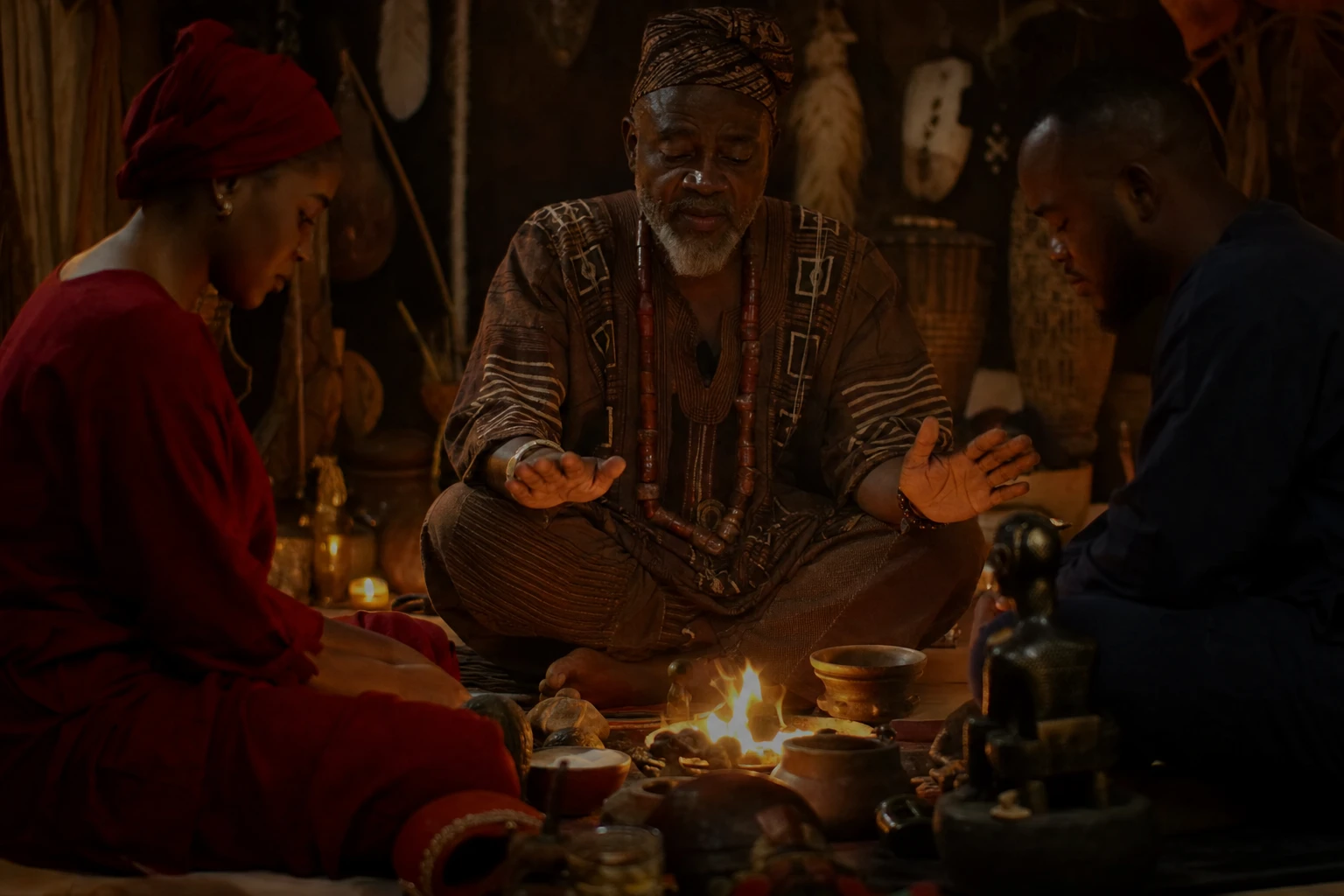
For some people, guidance for relationship reconciliation includes prayer, meditation, symbolic reflection, or traditional spiritual practices. These practices are best understood as ways to clarify your own heart, not as ways to direct another person’s decisions.
A respectful spiritual consultation focuses on your inner process: what you hope for, what you need to understand, and how you can act with care. It should never replace professional relationship counselling or mental-health support when those are needed.
Reflecting on What Went Wrong
Before pursuing reconciliation after a breakup or separation, it helps to honestly consider what caused the conflict. Issues often involve communication, trust, expectations, emotional distance, or repeated misunderstandings.
Reflection is not about blaming yourself or your partner entirely. It is about recognizing patterns and understanding what would need to change for the relationship to become healthier.
You may find it useful to ask: Did I respect boundaries? Did I listen well? Did we communicate clearly? Resources such as The Gottman Institute offer helpful relationship guidance on communication and conflict.
Traditional Practices and Reconciliation Intentions
Some people explore traditional spiritual practices when hoping for reconciliation. These may include prayer, candle lighting, ancestral reflection, journaling, or symbolic rituals connected to cultural or spiritual traditions.
Such practices can support personal reflection and intention-setting. They should be approached respectfully, especially when they come from traditions with specific cultural meanings.
It is important to understand that traditional practices do not guarantee relationship reconciliation. They cannot control another person’s feelings, choices, or willingness to reconnect.
Respecting Your Partner’s Choices
Reconciliation requires the willingness and participation of both people. Even if your intentions are sincere, your partner has the right to decide what they feel, need, and want.
No form of spiritual guidance should be presented as a way to control someone’s thoughts, emotions, or behavior. A healthy approach honors free will, consent, and emotional safety.
Respecting your partner’s choices may mean giving them space, accepting silence, or hearing an answer you did not hope for. This can be painful, but it is part of approaching love with maturity and dignity.
Practical Steps Toward Healthy Reconciliation
Before making contact, take time to reflect on your reasons and emotional state. If you are reaching out from panic, fear, or loneliness, waiting may help you communicate more clearly.
When you do reach out, keep your message respectful and simple. Acknowledge mistakes where appropriate, avoid pressure, and show that you are willing to listen to their perspective.
Healthy reconciliation may involve respecting boundaries, allowing time, rebuilding trust slowly, and considering professional support. You can explore general relationship guidance, and if needed, a qualified counsellor through resources like Psychology Today.
What to Expect From a Private Spiritual Consultation
A private spiritual consultation can provide a respectful space to discuss your relationship history, current circumstances, and reconciliation intentions. The focus is on understanding your situation with care.
You may also discuss personal concerns, emotional blocks, family or cultural influences, and traditional spiritual practices that feel meaningful to you. The purpose is reflection, not pressure.
If you are interested in exploring this path, you can learn more about a spiritual consultation or related traditional spiritual practices. A consultation should support thoughtful choices and realistic expectations.
Maintaining Realistic Expectations
Relationship reconciliation cannot be guaranteed. Spiritual guidance can help you reflect, prepare, and act with sincerity, but it cannot determine what another person will choose.
Outcomes vary depending on the history of the relationship, the nature of the conflict, and whether both people are willing to communicate honestly. Mutual consent is essential.
The healthiest approach combines self-awareness, patience, respect, and clear communication. Whether reconciliation happens or not, this process can help you move forward with greater understanding.
Hoping to reconcile with someone you love can be emotionally intense, especially after conflict or relationship separation. Spiritual guidance and personal reflection may help you approach the situation with more clarity, compassion, and respect.
The most meaningful path toward relationship reconciliation is one that honors both people’s choices. When you combine sincere intention with responsibility, boundaries, and honest communication, you give healing the best possible foundation.
If you are hoping to reconcile with a partner and would like a private space to discuss your circumstances, you can request a spiritual consultation to explore your intentions, concerns and possible traditional practices.