
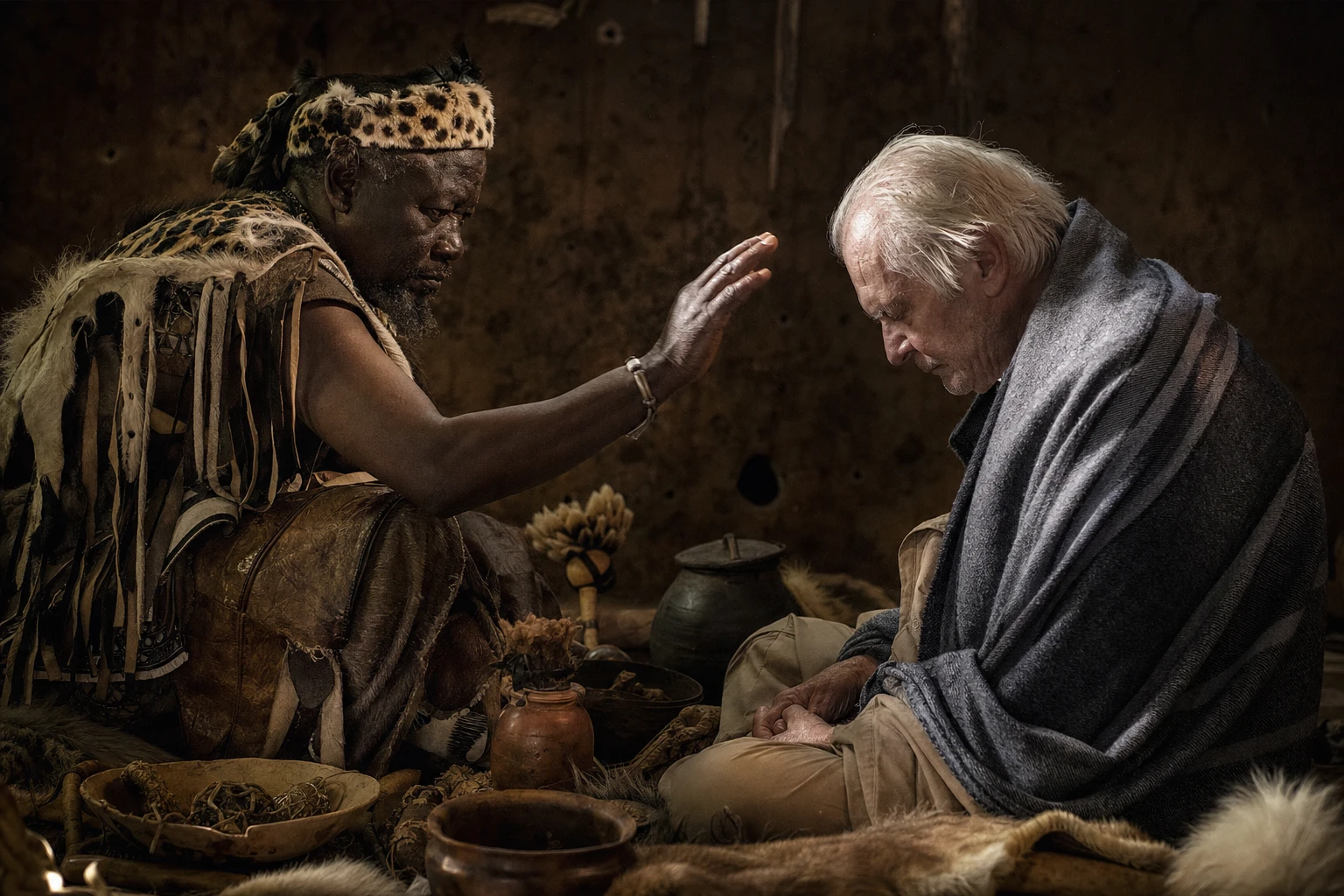
Life can bring moments of uncertainty, emotional stress and important change. During these times, many people look for ways to pause, reflect and better understand what they are experiencing. Some turn to trusted friends or family. Others seek professional advice. For many, traditional spiritual guidance for personal situations offers a private and meaningful space to explore concerns through conversation, personal reflection and traditional spiritual practices.
Spiritual guidance does not promise guaranteed outcomes or control over events. Instead, it can help you consider your intentions, reconnect with your values and reflect on possible next steps. For adults facing relationship concerns, life transitions, uncertainty or spiritual curiosity, a respectful spiritual consultation may offer support and perspective.
What Is Traditional Spiritual Guidance for Personal Situations?
Traditional spiritual guidance refers to support rooted in spiritual customs, cultural practices, rituals and reflective conversation. Across history, many cultures have used spiritual practices to mark important life moments, seek clarity, express hope, release emotional burdens or prepare for new beginnings.
These practices may include prayer, symbolic rituals, cleansing traditions, intention-setting, meditation, offerings or other forms of personal spiritual reflection. The specific approach can vary depending on tradition, belief system and individual needs.
At its heart, traditional spiritual guidance is about creating space to discuss personal concerns and explore spiritual meaning. It is not a substitute for medical, psychological, legal or financial advice. Rather, it may complement a person’s own practical decisions and personal responsibilities.
When Do People Seek Spiritual Guidance?
People seek spiritual guidance for many reasons. Often, they are experiencing a situation that feels emotionally important, confusing or difficult to navigate.
Common reasons may include relationship difficulties, family concerns, personal transitions, grief, uncertainty about the future or the desire for a fresh start. Others may seek guidance during career changes, relocation, major decisions or periods of emotional reflection.
Some people are not facing a specific crisis but feel drawn to explore traditional spiritual practices. They may want to understand rituals, develop a personal spiritual routine or learn how intention-setting can support reflection and focus.
In each case, spiritual guidance can provide a private space to speak openly, ask questions and consider what matters most.
How Spiritual Guidance Can Support Personal Reflection
A spiritual consultation can help you step back from the pressure of a situation and look at it with greater calm and awareness. When emotions are strong, it can be difficult to separate fear, hope, uncertainty and practical reality.
Through guided discussion, you may reflect on questions such as: What am I truly concerned about? What outcome am I hoping for? What choices are within my control? What values should guide my next steps?
This process can support personal reflectionand help clarify intentions. It does not guarantee a particular result, but it may help you approach your situation with more awareness, patience and responsibility.
For many people, simply having a private conversation about their circumstances can feel grounding. It can also help them identify areas where practical support, professional advice or personal boundaries may be needed.
Traditional Spiritual Practices and Rituals
Traditional rituals have long been used as symbolic ways to express hope, renewal, release and intention. In spiritual guidance, rituals may be discussed or recommended as part of a personal practice, depending on the individual’s situation and beliefs.
For example, a symbolic cleansing ritual may represent letting go of emotional heaviness. A candle practice may help someone focus on clarity or peace. A written intention may serve as a reminder of personal priorities and desired direction.
These practices are personal and traditional in nature. Experiences and outcomes can vary. The purpose is not to force events or control other people, but to support reflection, mindfulness and spiritual connection.
When approached responsibly, traditional spiritual practices can become meaningful tools for self-awareness and intentional living.
What Happens During a Spiritual Consultation?
A spiritual consultation usually begins with a conversation about your situation. You may share what you are experiencing, what concerns you most and what you hope to understand or explore.
The guide may ask questions to better understand your intentions, emotional concerns and spiritual interests. From there, you may discuss relevant traditional practices, reflective exercises or symbolic rituals that align with your needs.
Possible next steps may include intention-setting, personal reflection practices, traditional cleansing concepts or suggestions for continued spiritual practice. Every consultation should be approached individually and respectfully.
A responsible consultation should not pressure you, make unrealistic promises or claim to control another person’s choices. You remain responsible for your own decisions, actions and practical steps.
Choosing a Responsible Approach to Spiritual Guidance
A responsible approach to traditional spiritual guidance for personal situations begins with realistic expectations. Spiritual practices may offer comfort, structure and meaning, but they should not be presented as guaranteed solutions.
It is also important to respect the free will and choices of other people. Spiritual guidance should never be used to claim control over someone’s thoughts, feelings or decisions.
If your situation involves medical, mental health, legal, financial or safety concerns, it is important to seek help from qualified professionals. Spiritual guidance can support personal reflection, but it should not replace expert advice or urgent care when needed.
The most helpful approach is one that combines spiritual reflection with informed decisions, personal responsibility and practical action.
Is Traditional Spiritual Guidance Right for You?
Traditional spiritual guidance may be right for you if you are looking for a private space to reflect on your circumstances, explore traditional practices or clarify your intentions.
You may benefit from a consultation if you are facing a life transition, relationship concern, emotional uncertainty, new beginning or spiritual question. It may also be helpful if you want to understand traditional rituals in a respectful and personal way.
However, it is important to approach the process with an open but balanced mindset. Spiritual guidance is not about guaranteed results. It is about reflection, meaning, intention and support as you consider your next steps.
Conclusion
Traditional spiritual guidance for personal situations can offer a compassionate space for reflection during difficult, uncertain or meaningful times. Through conversation, intention-setting and traditional spiritual practices, a consultation may help you explore your concerns and reconnect with your personal priorities.
Spiritual practices are personal, and experiences can vary. The most responsible approach is one that respects your choices, honors the choices of others and encourages thoughtful action.
If you would like to discuss your personal situation privately, you can request a spiritual consultation to explore your concerns, intentions and possible traditional practices.