
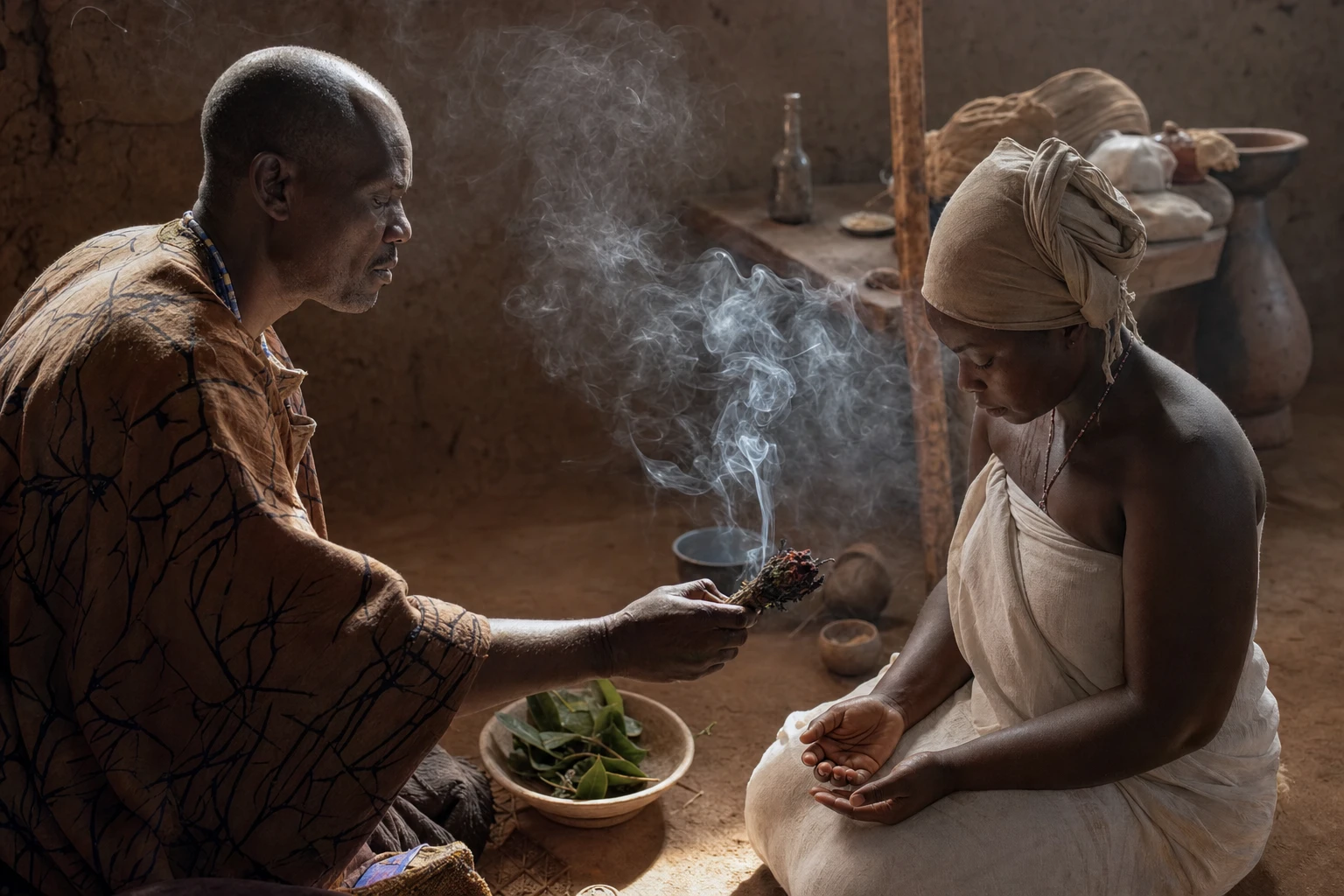
How to Approach Spiritual Cleansing Through Traditional Guidance
Many people become interested in spiritual cleansing through traditional guidance during times of personal change, emotional difficulty, uncertainty, or transition. Beginning a new chapter in life can naturally lead someone to pause, reflect, and seek a meaningful way to release old burdens while setting fresh intentions.
Traditional guidance can offer a respectful space to explore these practices thoughtfully. Rather than promising fixed outcomes, traditional spiritual guidance may help a person consider symbolic rituals, cultural customs, personal reflection, and spiritual renewal in a private and intentional way.
What Is Spiritual Cleansing Through Traditional Guidance?
Spiritual cleansing through traditional guidance generally refers to symbolic or spiritual practices used in some traditions to support reflection, renewal, release, and preparation for a new beginning. These practices are often shaped by cultural background, ancestral customs, personal belief, and the approach of the practitioner.
For some people, spiritual cleansing is a way to mark a transition. It may represent letting go of emotional heaviness, creating space for clarity, or reconnecting with personal values. It should be understood as a traditional or symbolic practice, not as a scientifically proven treatment.
Traditional spiritual practices vary widely. A cleansing practice in one culture may look very different from another, so it is important to approach each tradition with respect, humility, and a willingness to understand its meaning.
Why People Seek Traditional Spiritual Guidance
People may seek traditional spiritual guidance for many personal reasons. Some are looking for spiritual reflection during a life transition, while others want a different perspective on emotional uncertainty, relationship concerns, career changes, or family matters.
Others may feel drawn to traditional cleansing practices because of an interest in cultural traditions, ancestral spirituality, or personal renewal. A person may want support with intention-setting, quiet reflection, or finding a symbolic way to begin again.
A traditional spiritual practitioner does not replace qualified professional support. For medical, psychological, legal, or financial concerns, it is important to seek appropriate help from licensed professionals, such as a doctor, therapist, legal adviser, or financial counsellor.
How a Traditional Spiritual Consultation Begins
A spiritual consultation often begins with a private conversation. The person may be invited to share their circumstances, concerns, hopes, intentions, and expectations before any traditional practice is discussed.
This first step is important because it allows the practitioner to listen carefully and understand what the person is seeking. Confidentiality, respect, and patience should be central to the conversation.
A private spiritual consultation also gives someone time to ask questions before deciding whether a traditional spiritual practice feels appropriate. This may include discussing what the practice involves, what it does not promise, and how the person can approach it realistically.
Traditional Approaches to Spiritual Cleansing
Traditional approaches to spiritual cleansing may include symbolic water cleansing, herbal or natural-material traditions, incense or aromatic practices, prayer, meditation, quiet reflection, bathing traditions, or other symbolic acts of renewal.
Some practices may focus on intention-setting, while others may involve spoken words, silence, ritual preparation, or personal reflection. You can learn more about related approaches in this guide to traditional cleansing practices.
It is important to remember that these practices differ greatly between cultures, spiritual paths, and individual practitioners. A respectful approach avoids assuming that all traditions work the same way or carry the same meaning.
Preparing for a Spiritual Cleansing Practice
Before taking part in a spiritual cleansing practice, it can be helpful to reflect on what you hope to gain from the experience. Are you seeking personal renewal, clarity, emotional release, or a symbolic fresh start?
Writing down your intentions may help you approach the experience with focus. You may also want to ask questions about the process, the materials used, the expected length of the consultation, and any cultural meanings connected to the practice.
An open but realistic mindset is important. Spiritual cleansing may feel meaningful to some people, while others may experience it mainly as a moment of reflection. Individual beliefs and experiences can differ.
Spiritual Cleansing and Personal Responsibility
Spiritual practices can offer a meaningful opportunity for spiritual reflection, but personal responsibility remains important. A cleansing practice should not be used as the only basis for major life decisions.
Relationship, financial, career, health, and legal matters should be approached thoughtfully and practically. If you are facing serious emotional distress, consider contacting a qualified mental health professional or visiting resources such as MentalHealth.gov.
For financial or legal concerns, it is wise to speak with appropriate professionals. General consumer financial information is available through the Consumer Financial Protection Bureau, but personal advice should come from a qualified adviser.
Maintaining Realistic Expectations
Traditional spiritual cleansing is not a scientifically established treatment. It should not be presented as a way to diagnose, cure, or treat medical or psychological conditions.
It is also important not to expect guaranteed changes in your circumstances. Spiritual cleansing should not be viewed as a promise of protection, relationship reconciliation, financial improvement, healing, or the removal of supernatural problems.
For many people, the value of spiritual cleansing lies in reflection, symbolism, and personal meaning. Practices such as meditation and mindfulness are discussed by organizations like the National Center for Complementary and Integrative Health, but traditional cleansing itself should be understood according to belief, culture, and personal experience.
Spiritual cleansing through traditional guidance can be approached as a respectful, symbolic, and personal practice for those seeking reflection, renewal, and a deeper sense of intention. A thoughtful consultation may help you understand what a traditional practice involves and whether it feels suitable for your circumstances.
The most balanced approach is one that honors tradition while maintaining realistic expectations. Spiritual cleansing may be meaningful, but it should not replace medical care, psychological support, legal advice, or practical decision-making.
If you would like to discuss your circumstances privately and learn more about traditional spiritual cleansing practices, you can request a private spiritual consultation.