
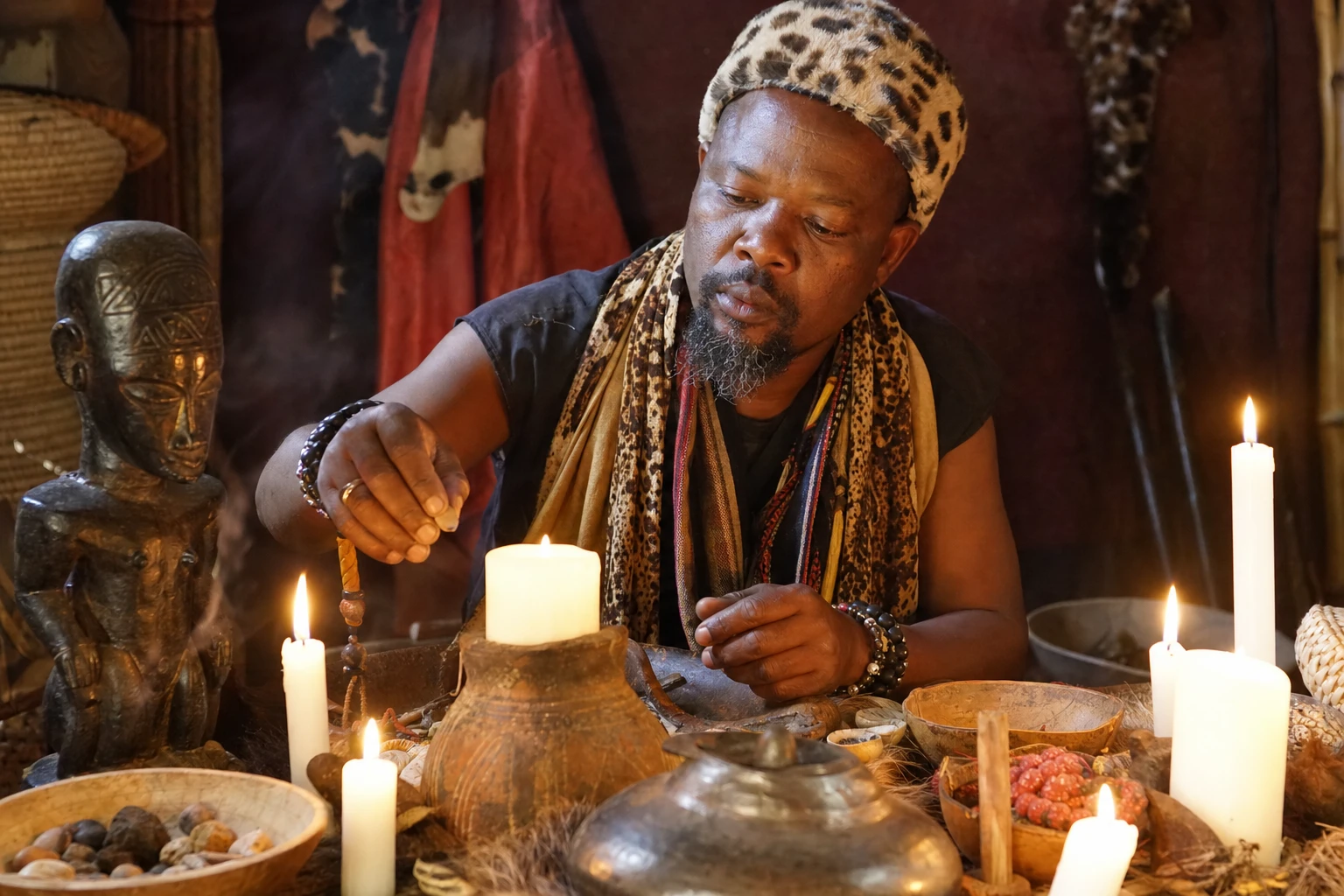
Traditional Practices for Relationship Reconciliation: A Spiritual Perspective
Relationship conflict, separation, or emotional distance can leave people searching for clarity, comfort, and direction. In difficult moments, some turn to traditional practices for relationship reconciliation as part of a wider process of reflection, healing, and spiritual grounding.
Reconciliation is not simply about returning to the way things were. It often involves understanding what happened, communicating honestly, taking responsibility where needed, and recognizing whether both people are willing to rebuild trust.
Traditional spiritual practices may support relationship reflection, but they should be approached respectfully and realistically. They are not guaranteed methods of changing another person’s feelings, decisions, or free will.
What Are Traditional Practices for Relationship Reconciliation?
Traditional practices for relationship reconciliation are spiritual, symbolic, or cultural practices used by some people when seeking peace, clarity, forgiveness, or renewed connection after conflict. These practices vary widely across communities, belief systems, and family traditions.
In some cultures, reconciliation may involve prayer, offerings, candle rituals, ancestral remembrance, cleansing practices, spoken intentions, or guidance from a spiritual elder. Others may focus on meditation, journaling, blessing rituals, or quiet reflection.
It is important to understand these practices as meaningful spiritual traditions, not as guaranteed solutions. They may help a person feel centered and intentional, but they cannot force love, agreement, communication, or reconciliation from another person.
Why People Seek Spiritual Guidance After Relationship Conflict
People often seek relationship guidance after misunderstandings, separation, repeated arguments, or emotional uncertainty. When communication breaks down, it can be difficult to know whether to wait, reach out, apologize, or move forward separately.
Spiritual guidance may offer a calm space to explore feelings without judgment. For some, it helps them name what they truly want, understand patterns in the relationship, and consider whether reconciliation after separation is possible or healthy.
Others seek traditional spiritual practices because they want comfort during grief, confusion, or loneliness. In these moments, relationship reflection can support emotional balance while practical steps, communication, and personal responsibility remain essential.
Intention-Setting and Reconciliation
Personal intention-setting is a reflective practice that helps someone clarify what they are seeking from relationship reconciliation. Instead of focusing only on the other person’s actions, it encourages deeper questions about one’s own hopes, fears, and expectations.
An intention might involve healing resentment, speaking honestly, asking for forgiveness, or becoming more patient and emotionally aware. This process can help separate genuine love and commitment from fear, attachment, or the desire to control an outcome.
Intention-setting does not guarantee that reconciliation will happen. However, it can help a person approach the situation with greater maturity, compassion, and awareness of what a respectful relationship requires.
Traditional Rituals and Personal Reflection
Traditional relationship rituals may be used as part of personal reflection, renewal, or spiritual devotion. For example, lighting a candle while praying for clarity, performing a cleansing bath, or writing a letter that is never sent can carry deep symbolic meaning.
These rituals may help people release anger, honor the seriousness of a relationship, or prepare emotionally for an honest conversation. In many traditions, symbolic action supports inner focus and spiritual connection.
Still, rituals should not be seen as tools to control another person’s thoughts, emotions, or choices. Their value often lies in personal meaning, cultural connection, and the opportunity to reflect with sincerity.
The Importance of Communication and Mutual Choice
Genuine reconciliation requires more than spiritual practice. It depends on communication, honesty, respect, and the willingness of both people to listen and participate in rebuilding trust.
No traditional spiritual practice can override another person’s consent or personal decision. A partner or former partner has the right to choose whether they want to reconnect, communicate, or move on.
For this reason, spiritual reflection is most helpful when paired with emotional responsibility. In some cases, professional relationship counselling or mental-health support may also be appropriate, especially where conflict has been intense or ongoing.
What to Expect From a Spiritual Consultation
A spiritual consultation usually begins with a private discussion of the relationship circumstances. This may include what led to the conflict, whether there has been separation, and what kind of communication has taken place.
The consultation may also explore the person’s intentions. A responsible guide will help distinguish between a desire for healing, a wish for clarity, and unrealistic expectations about controlling another person’s response.
Depending on the tradition, the consultation may include discussion of relevant traditional spiritual practices, relationship reflection, personal intention-setting, and practical next steps. The focus should remain respectful, ethical, and grounded.
Maintaining Realistic Expectations
Spiritual experiences are personal, and different people interpret them in different ways. Some may feel comfort, insight, or emotional release, while others may simply gain a clearer understanding of their situation.
Traditional practices for relationship reconciliation should be approached with an open but realistic mindset. They may support reflection and spiritual connection, but they do not promise a specific relationship outcome.
Healthy reconciliation, when it happens, usually unfolds through time, conversation, accountability, and mutual willingness. If the other person does not wish to reconnect, spiritual practice can still support healing and acceptance.
Traditional practices for relationship reconciliation can offer a meaningful way to reflect, set intentions, and seek spiritual grounding during relationship difficulty. They may support clarity and emotional healing, but reconciliation must always involve mutual choice, honest communication, and respect.
If you would like to discuss your relationship circumstances privately, you can request a spiritual consultation to explore your concerns, intentions and traditional practices that may be meaningful to you.