
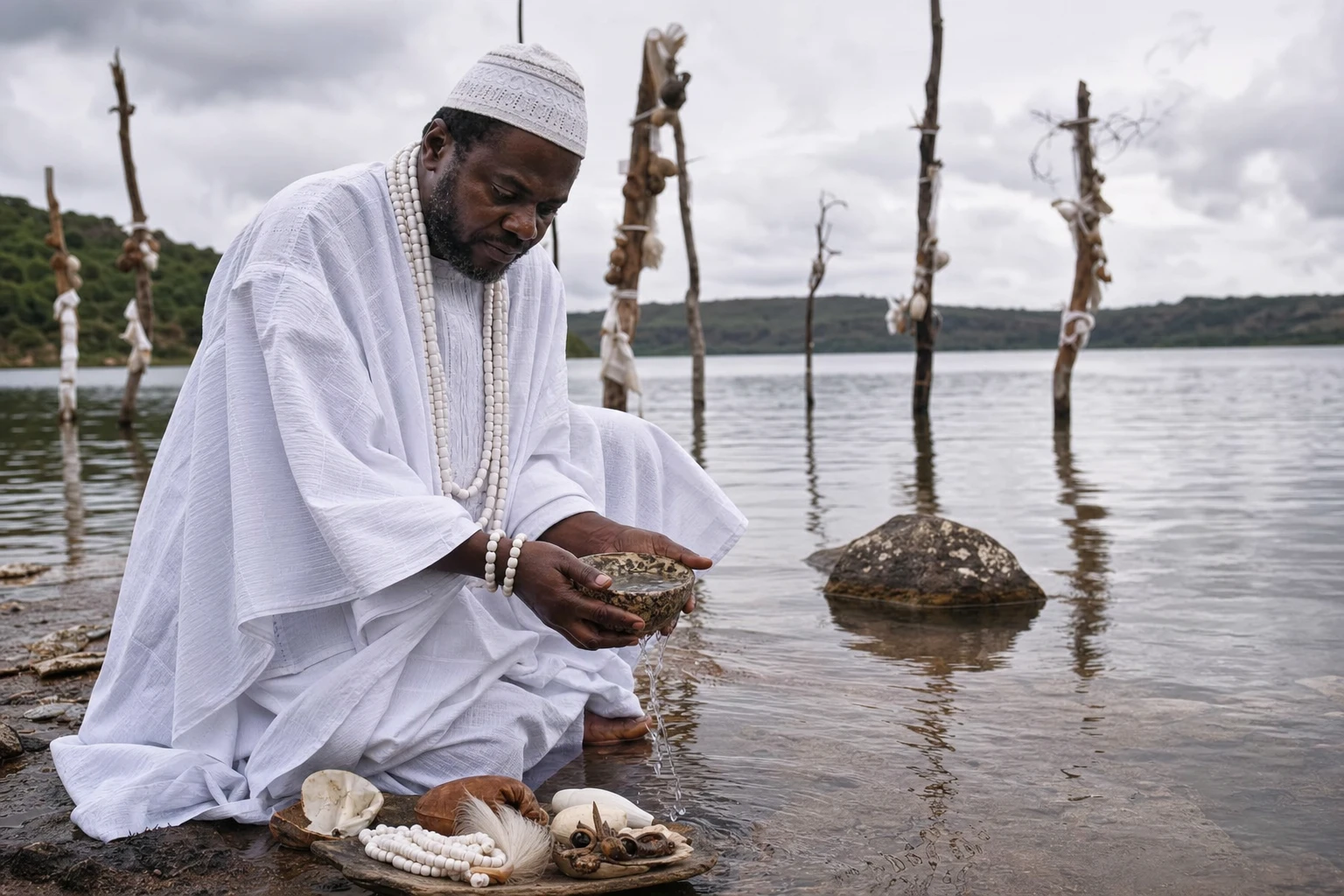
Traditional Symbolic Practices for Luck and Prosperity: Understanding Their Meaning
Across many cultures, people have developed symbols, rituals, prayers, objects, and seasonal traditions connected with luck, prosperity, abundance, and positive beginnings. These traditional symbolic practices for luck and prosperity often carry deep cultural, spiritual, and personal meaning. They may help people reflect on their hopes, focus their intentions, and feel connected to inherited wisdom, but they should not be understood as guarantees of any specific outcome.
What Are Traditional Symbolic Practices?
Traditional symbolic practices are customs that use meaningful objects, gestures, words, or rituals to represent a hope, belief, value, or intention. In many communities, these practices are passed down through families, spiritual lineages, or cultural traditions.
People may use candles, coins, herbs, prayers, affirmations, ceremonies, offerings, or personal routines as part of traditional spiritual practices. The object or action often serves as a reminder of something larger, such as gratitude, renewal, protection, growth, or prosperity intentions.
These practices can be deeply personal. For one person, lighting a candle may symbolize clarity and hope. For another, carrying a traditional good-fortune object may represent family heritage, courage, or readiness for new opportunities.
The Connection Between Traditional Symbolic Practices for Luck and Prosperity
The connection between traditional symbolic practices for luck and prosperity often comes from shared cultural meaning. Over time, certain images, colors, plants, metals, and rituals became associated with abundance, success, good harvests, or positive change.
Symbols can help people give shape to invisible hopes. Luck and opportunity are uncertain parts of life, so symbolic rituals may provide a way to express optimism, patience, and trust while moving through change.
Belief and intention also play an important role. While symbols should not be treated as proven supernatural tools, they can support personal intention-setting by helping someone focus on goals, values, and the kind of future they wish to work toward.
Examples of Traditional Symbols Associated With Prosperity
Coins and other representations of abundance are common in many traditional luck practices. They may symbolize resources, exchange, generosity, or the wish for stability, rather than a promise of actual financial gain.
Plants and natural materials are also widely used in prosperity rituals. Seeds, leaves, grains, and evergreen branches may represent growth, renewal, patience, and the steady development of something meaningful over time.
Candles and symbolic light often represent clarity, hope, blessing, or new beginnings. Colors traditionally associated with prosperity, such as green, gold, red, or yellow in different cultures, may be used in clothing, decorations, or ritual spaces to reflect abundance and positive energy.
Symbolic Rituals for Personal Intention-Setting
Symbolic rituals can create a quiet moment for personal intention-setting. A person might write down a goal, light a candle, say a prayer, arrange meaningful objects, or spend time reflecting on what prosperity means in their life.
The value of such a ritual often lies in the structure it provides. Instead of rushing through worries or wishes, the person pauses to consider priorities, responsibilities, hopes, and the steps they may need to take.
Written intentions or affirmations can also be meaningful. They may help someone clarify what they are seeking, such as greater stability, better opportunities, wiser choices, stronger confidence, or a more balanced relationship with money and work.
Luck, Prosperity and Personal Action
Traditional symbolic practices for luck and prosperity are most balanced when paired with practical action. Reflection may inspire motivation, but daily choices and constructive steps remain essential.
Prosperity can involve many things, including financial responsibility, learning new skills, preparing for opportunities, building relationships, and making thoughtful decisions. Spiritual reflection can support these efforts, but it should not replace them.
For example, someone hoping for career growth might combine prosperity intentions with updating a résumé, practicing interview skills, seeking training, or networking respectfully. In this way, symbolic rituals can accompany action rather than stand apart from it.
What Symbolic Practices Cannot Guarantee
It is important to be clear: traditional symbolic practices cannot guarantee wealth, income, employment, business success, investment returns, lottery prizes, or any other specific financial outcome. No object, ritual, color, prayer, or affirmation can promise a fixed result.
Financial and life outcomes depend on many factors. These may include personal decisions, timing, education, health, local conditions, economic changes, available opportunities, and circumstances outside a person’s control.
For this reason, prosperity rituals should be approached as cultural, spiritual, or reflective traditions. They are not substitutes for professional financial, legal, medical, or business advice when those forms of support are needed.
Exploring Prosperity Practices During a Spiritual Consultation
People who are interested in traditional symbolic practices for luck and prosperity may choose to request a private spiritual consultation. This can provide a respectful setting to discuss personal goals, concerns, intentions, and cultural or spiritual interests.
A consultation may include conversation about traditional luck practices, symbolic rituals, personal intention-setting, and ways to approach prosperity intentions thoughtfully. The focus is usually on meaning, reflection, and alignment rather than promises of specific results.
Spiritual guidance for prosperity can be helpful when it encourages self-awareness, patience, responsibility, and constructive action. A respectful consultation should honor tradition while also recognizing the practical realities of everyday life.
Traditional symbolic practices for luck and prosperity have long helped people express hope, gratitude, courage, and openness to new possibilities. Their meaning comes from culture, spirituality, memory, and personal intention, not from guaranteed outcomes. When approached with respect and balance, these practices can support reflection while encouraging practical responsibility. If you would like to explore traditional symbolic practices in relation to your personal goals and intentions, you can request a private spiritual consultation for guidance.