
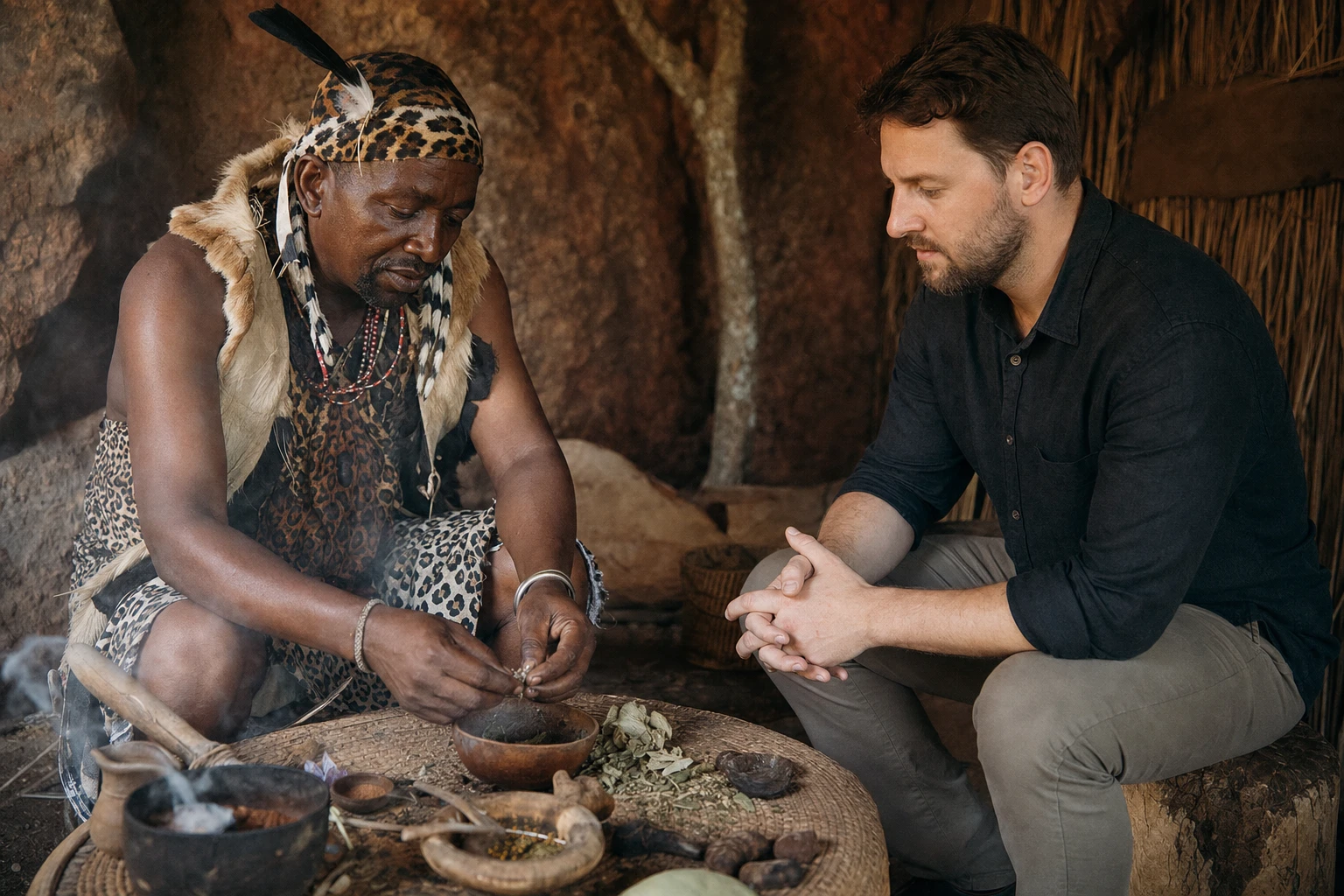
Understanding Spiritual Beliefs: Traditions, Practices and Personal Meaning
Spiritual beliefs are deeply personal. They may be shaped by culture, family traditions, community, life experiences, spiritual teachings, and quiet moments of individual reflection. For many adults, understanding spiritual beliefs begins with curiosity: asking what gives life meaning, what values guide daily choices, and how different traditions help people feel connected to something larger than themselves.
Approaching spiritual traditions with openness and respect is essential. Beliefs vary widely between individuals and cultures, and people may interpret similar practices in very different ways. A respectful approach allows learning without stereotyping, ranking, or dismissing another person’s experience.
What Are Spiritual Beliefs? Understanding Spiritual Beliefs Clearly
Spiritual beliefs are ideas, values, and experiences that help a person think about meaning, purpose, connection, and identity. They may be connected to religion, culture, nature, ancestors, personal experiences, or a private sense of inner guidance.
For some people, spiritual beliefs are closely tied to organized religious teachings. For others, personal spirituality may be expressed through meditation, reflection, service, creativity, or time spent in nature. There is no single form that applies to everyone.
At their core, spiritual beliefs often influence how people understand life’s questions: Who am I? What matters most? How should I treat others? What gives my life direction? These questions are part of the broader process of personal reflection.
How Spiritual Beliefs Develop
Spiritual beliefs often begin with family and cultural traditions. Childhood rituals, community gatherings, stories from elders, and religious or spiritual teachings can all shape how a person first understands traditional beliefs.
Over time, personal experiences may deepen, challenge, or change those beliefs. Life transitions such as grief, marriage, parenthood, illness, relocation, or major personal growth can lead people to revisit what they value and believe.
Relationships also matter. Elders, teachers, mentors, spiritual guides, and community members may offer perspectives that help people explore questions with care. Still, each person’s path remains individual, and interpretations may differ.
Different Approaches to Spirituality
Spirituality can be expressed in many ways. Some people practice prayer, meditation, chanting, journaling, or symbolic rituals. Others experience spiritual connection through music, art, silence, acts of kindness, or observing the natural world.
Traditional spiritual practices may include ceremonies, seasonal observances, offerings, storytelling, or practices passed down through families and communities. These practices often carry cultural meaning and should be understood within their proper context.
No single approach is universally correct. What feels meaningful to one person may not feel meaningful to another. Learning about spiritual traditions can broaden understanding while encouraging humility and respect.
Traditional Spiritual Beliefs and Cultural Practices
Traditional spiritual beliefs are often connected to cultural heritage, community memory, and shared identity. They may reflect a community’s relationship with land, ancestors, moral values, healing customs, or important life passages.
It is important to avoid making broad claims about any culture’s spiritual practices. Traditions differ significantly across regions, families, and communities, and even people from the same background may hold different views.
When learning about cultural practices, respectful listening matters. Reliable sources, community voices, and thoughtful dialogue are better than assumptions. Research organizations such as Pew Research Center offer helpful context on religious and spiritual diversity.
Spiritual Beliefs and Personal Reflection
Personal reflection helps people understand how spiritual beliefs influence daily life. Reflection may involve thinking about values, relationships, past experiences, hopes, fears, and the choices that feel most aligned with one’s inner life.
Some people reflect through writing, quiet contemplation, prayer, meditation, or conversation with someone they trust. These practices do not guarantee specific outcomes, but they may support self-awareness and clearer intentions.
Reflection can also help people notice which beliefs they inherited, which they chose, and which they are still questioning. This process is a normal part of developing personal spirituality over time.
Exploring Your Own Spiritual Beliefs
If you are exploring your own spiritual beliefs, gentle questions can help. What values are most important to me? Which traditions have influenced my beliefs? What do I hope to understand better about myself?
You might also ask: Which spiritual practices feel meaningful to me? Do I feel connected through silence, nature, prayer, ritual, study, service, or community? How have my experiences shaped what I believe today?
Another important question is: How can I approach different beliefs respectfully? Curiosity works best when paired with humility. You can also explore our guide to traditional spiritual practices for further reflection.
Spiritual Guidance and Personal Consultation
Spiritual guidance can offer a respectful space to discuss questions, intentions, values, and personal experiences. A private spiritual consultation may be helpful for someone who wants to explore beliefs in greater depth.
During a spiritual consultation, a person may discuss their interest in traditional practices, personal reflection, cultural influences, or uncertainty about their spiritual direction. The purpose is conversation, reflection, and guidance—not guaranteed results.
Spiritual guidance should not replace medical, psychological, legal, or financial advice. If someone is facing serious health, emotional, legal, or financial concerns, qualified professionals should be consulted alongside any personal spiritual support.
Understanding spiritual beliefs is an ongoing process shaped by openness, respect, and honest personal reflection. Spiritual traditions and traditional beliefs can offer meaning, but each person’s experience is unique.
By learning thoughtfully, asking sincere questions, and respecting cultural differences, you can explore personal spirituality in a grounded and compassionate way.
If you would like to explore your spiritual beliefs and personal intentions in a private setting, you can request a spiritual consultation for guidance and reflection.