
Traditional Abundance Rituals Explained: Ancient Practices for Prosperity and Positive Energy
Traditional abundance rituals are spiritual and cultural practices used by many communities to express gratitude, invite positive energy, and align personal effort with prosperity. Across African traditional spirituality and other ancestral traditions, abundance is often understood as more than money—it may include health, family harmony, land, business success, wisdom, food, community support, and peace. These practices are matters of belief and heritage, not guaranteed formulas for wealth, but they can offer meaningful structure for reflection, discipline, and spiritual connection.
What Traditional Abundance Rituals Really Mean
Traditional abundance rituals are symbolic practices connected to prayer, intention, gratitude, ancestral remembrance, and community values. In many African and other traditional spiritual systems, prosperity is not viewed as isolated personal gain. It is often connected to balance: honoring one’s ancestors, respecting nature, working hard, sharing with others, and maintaining spiritual cleanliness. These abundance rituals may involve spoken prayers, offerings, candles, water, herbs, food, or symbolic objects, depending on the culture and lineage. Because every tradition is different, it is important not to treat all practices as the same or copy sacred rituals without proper understanding.
The spiritual meaning of abundance is deeply rooted in relationship. Spiritual abundance may mean having enough to care for one’s family, support a business, contribute to the community, and live with dignity. In many traditions, gratitude is considered a foundation for receiving and maintaining blessings. A person may give thanks for food, income, clients, land, skills, or protection before asking for more. This reflects the belief that prosperity grows through humility, appreciation, and right action. Traditional wealth practices often teach that abundance should circulate, not be hoarded, through generosity, service, and responsibility.
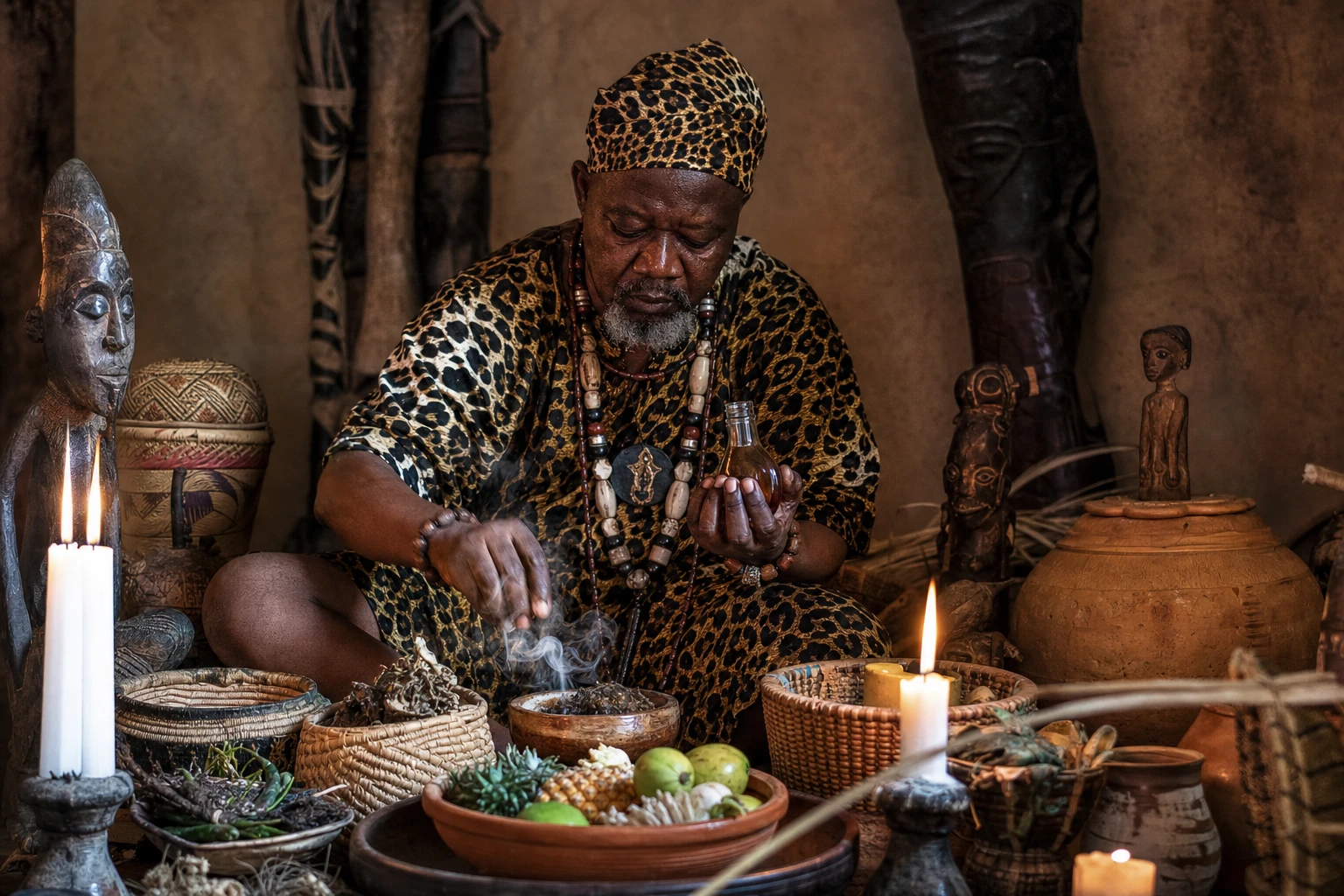
Common prosperity rituals may include lighting a candle while praying for clarity, placing clean water as a symbol of purity and flow, offering food in honor of ancestors, using herbs for cleansing, or arranging symbolic objects that represent growth and stability. In some traditions, grains, coins, seeds, honey, or fruits may be used to represent sweetness, increase, and nourishment. These items are not “magic objects” in a guaranteed sense; rather, they carry meaning within a cultural and spiritual framework. When used respectfully, rituals for abundance can help people focus their intentions, release fear, and recommit to practical goals.
Respectful Ways to Seek Prosperity Guidance
Offerings, prayer, herbs, candles, water, food, and symbolic objects may be used differently across traditions. For example, water may represent cleansing, emotional balance, and life force. Candles may symbolize illumination and focused prayer. Herbs may be used in spiritual cleansing according to specific cultural knowledge. Food offerings may express gratitude to ancestors or spiritual forces, while symbolic objects may represent business growth, protection, fertility of ideas, or financial stability. However, these practices should be approached with care. Some rituals belong to closed traditions, initiatory systems, or specific families, and they should not be performed casually or commercially misrepresented.
Traditional prosperity rituals for business and finances often focus on opening roads, attracting good customers, improving discipline, and protecting one’s work from negativity. A business owner might pray before opening the shop, keep the workplace clean, give thanks after sales, or seek blessings from elders or spiritual guides. Some may perform a ritual before launching a new venture, signing a lease, or beginning a new season of trade. Still, spiritual practice should support—not replace—sound planning, honest service, budgeting, skill-building, and ethical decision-making. No ritual should be presented as a guaranteed financial result, and people should seek qualified financial or legal advice when needed.
The heart of spiritual guidance for prosperity is intention joined with positive action. A ritual may help a person clarify what they seek, but discipline gives that intention direction. Respectful practice includes learning the background of the tradition, asking permission when needed, honoring elders and ancestors, avoiding stereotypes, and never treating sacred customs as entertainment. If you feel called to explore traditional abundance rituals, consider speaking with a knowledgeable practitioner who understands the cultural roots and ethical responsibilities involved. Personalized guidance can help you choose practices that align with your beliefs, goals, and respect for tradition.
Traditional abundance rituals remind us that prosperity is not only about money—it is about gratitude, spiritual balance, community, effort, and meaningful intention. Whether through prayer, offerings, candles, herbs, water, food, or ancestral remembrance, these practices can provide a sacred way to reflect on one’s path and invite positive energy. If you wish to explore traditional abundance practices more deeply, seek personalized spiritual guidance from a respectful and experienced practitioner who can help you honor the tradition while supporting your journey toward greater prosperity.
FAQ
1. What are traditional abundance rituals?
Traditional abundance rituals are spiritual or cultural practices used to express gratitude, set intentions, honor ancestors, and seek prosperity or positive energy. They vary by tradition and belief system.
2. Do abundance rituals guarantee wealth?
No. Abundance rituals are matters of belief and cultural tradition. They should not be seen as guaranteed ways to gain money, and they should be paired with practical effort and wise decisions.
3. What items are commonly used in prosperity rituals?
Common symbolic items may include candles, water, herbs, food, grains, fruits, coins, prayers, and offerings. Their meanings depend on the specific cultural or spiritual tradition.
4. How can I approach traditional rituals respectfully?
Learn the cultural background, avoid copying closed practices, honor elders and ancestors, and seek guidance from a knowledgeable practitioner when needed.
5. Can traditional prosperity rituals support business goals?
They may support focus, confidence, gratitude, and intention, depending on one’s beliefs. However, they should be combined with ethical business practices, planning, and professional advice when necessary.
Suggested Featured-Image Concept
A respectful still-life scene with a lit candle, bowl of water, fresh herbs, grains, fruit, and a woven cloth, arranged in warm natural light to symbolize gratitude, prosperity, and spiritual abundance.