
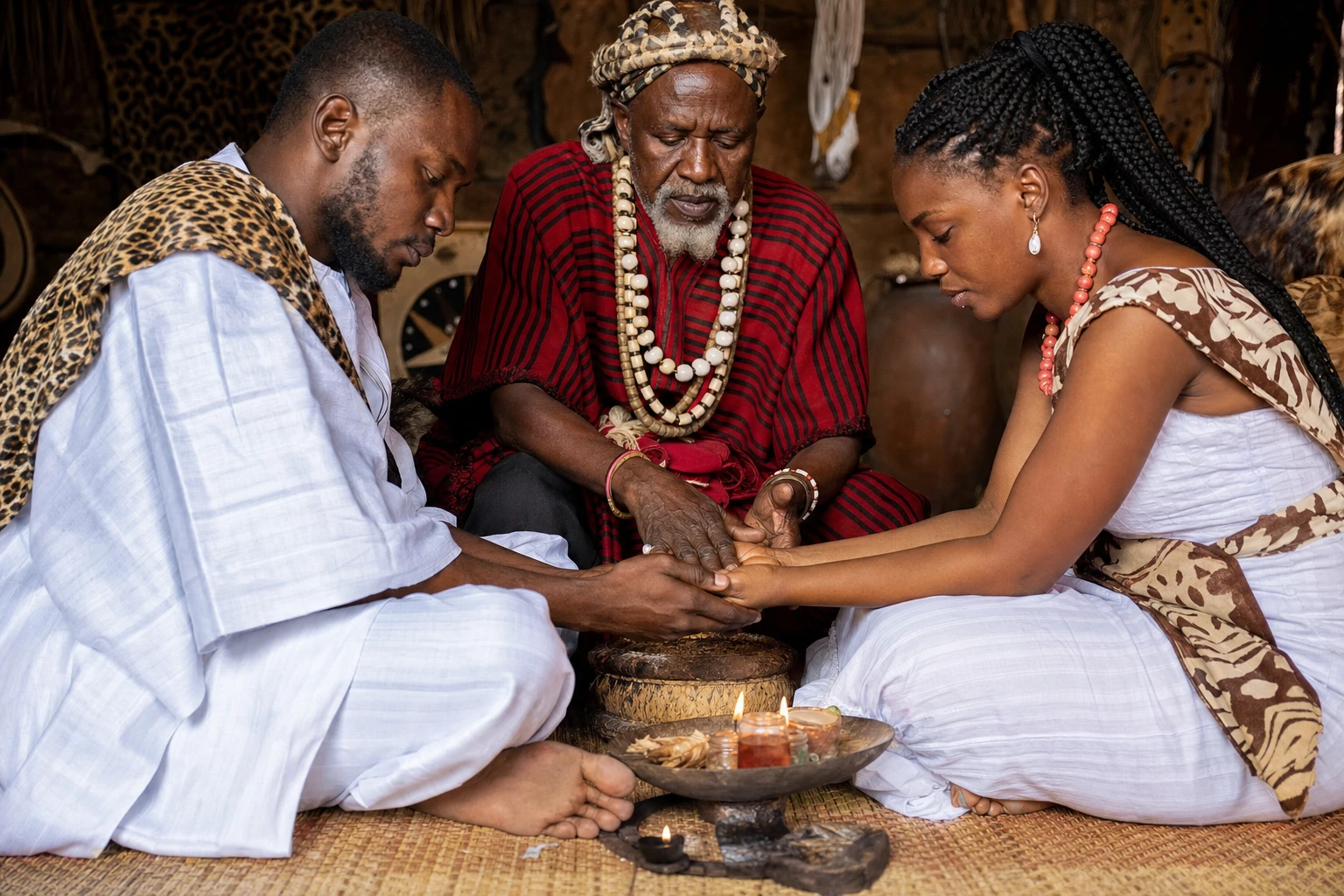
Traditional Practices for Relationship Reconciliation: A Spiritual Perspective
Relationship conflict, separation, or emotional distance can leave people searching for meaning, comfort, and direction. For many, traditional practices for relationship reconciliation offer a spiritual way to reflect on what has happened, clarify intentions, and consider whether healing is possible. Reconciliation is not something that can be forced; it usually requires honest communication, mutual willingness, patience, and personal responsibility.
What Are Traditional Practices for Relationship Reconciliation?
Traditional practices for relationship reconciliation are spiritual, symbolic, or cultural practices used by different communities to support reflection, healing, and emotional clarity during relationship difficulties.
Across cultures, people have turned to prayer, candle lighting, cleansing rituals, offerings, meditation, ancestral reflection, or personal intention-setting when facing conflict, separation, or unresolved feelings.
These practices are not about controlling another person. At their healthiest, they help someone pause, reflect, release anger, seek wisdom, and approach relationship reconciliation with sincerity and respect.
Why People Seek Spiritual Guidance After Relationship Difficulties
People often seek spiritual relationship guidance after conflict because they feel uncertain, overwhelmed, or emotionally stuck. Separation can raise questions about love, regret, forgiveness, and the future.
Some individuals struggle with unresolved conversations, communication difficulties, or feelings they do not fully understand. Others want clarity before reaching out, apologizing, or accepting closure.
In these moments, relationship guidance can offer a calm space for reflection. It may help a person explore their intentions, emotions, and next steps without making rushed decisions.
Traditional Practices and Personal Intention
Traditional spiritual practices often include personal intention-setting, which means becoming clear about what you sincerely hope to heal, understand, or change within yourself.
A symbolic ritual might involve prayer, journaling, quiet meditation, lighting a candle, or speaking words of forgiveness. These actions can support emotional grounding and relationship reflection.
The purpose is not to make someone feel, think, or act in a certain way. Instead, intention-setting can help you approach reconciliation after separation with honesty, humility, and emotional awareness.
The Importance of Communication in Reconciliation
Meaningful relationship reconciliation usually depends on communication. Spiritual practices may support inner clarity, but healing between two people requires respectful conversation.
Both individuals need space to express feelings, acknowledge harm, and decide whether they are willing to rebuild trust. Accountability matters, especially when conflict has caused pain.
Reconciliation is strongest when it is mutual. One person may desire healing, but the other person must also have freedom to choose, speak honestly, and participate willingly.
Can Spiritual Practices Influence a Relationship?
Spiritual practices may influence how a person thinks, feels, and responds to relationship difficulties. They can encourage patience, compassion, forgiveness, and clearer decision-making.
However, traditional spiritual practices cannot guarantee another person’s emotions, decisions, or actions. They should not be presented as a way to force love or control someone’s free will.
A balanced spiritual perspective respects personal choice. Practices may be meaningful, comforting, and symbolic, but relationship outcomes depend on both people and the reality of the situation.
What Happens During a Spiritual Reconciliation Consultation?
A private spiritual consultation often begins with discussing the relationship circumstances. This may include the conflict, separation, communication patterns, and emotional concerns involved.
The consultation may then explore your intentions, relevant traditional practices, and what kind of relationship healing you are seeking. The focus is usually reflection, clarity, and responsible action.
A respectful consultation should also encourage honest communication, personal responsibility, and realistic next steps. Spiritual guidance is not a substitute for counselling, therapy, psychological care, or medical support.
Maintaining Realistic Expectations
It is important to approach traditional practices for relationship reconciliation with realistic expectations. Spiritual experiences vary, and no practice can promise a specific relationship outcome.
Reconciliation cannot be guaranteed because both individuals have their own feelings, boundaries, and choices. Sometimes healing means reconnecting; other times, it means finding peace and closure.
Traditional practices can still be valuable when used thoughtfully. They may support emotional clarity, self-awareness, forgiveness, and a more grounded approach to difficult relationship decisions.
Traditional practices for relationship reconciliation can offer a meaningful spiritual framework for reflection, intention-setting, and emotional healing. When approached with respect, they may help you understand your feelings and consider your next steps with greater clarity. If you would like to discuss your relationship circumstances privately, you can request a spiritual consultation to explore your intentions and learn about traditional practices that may be meaningful to you.