
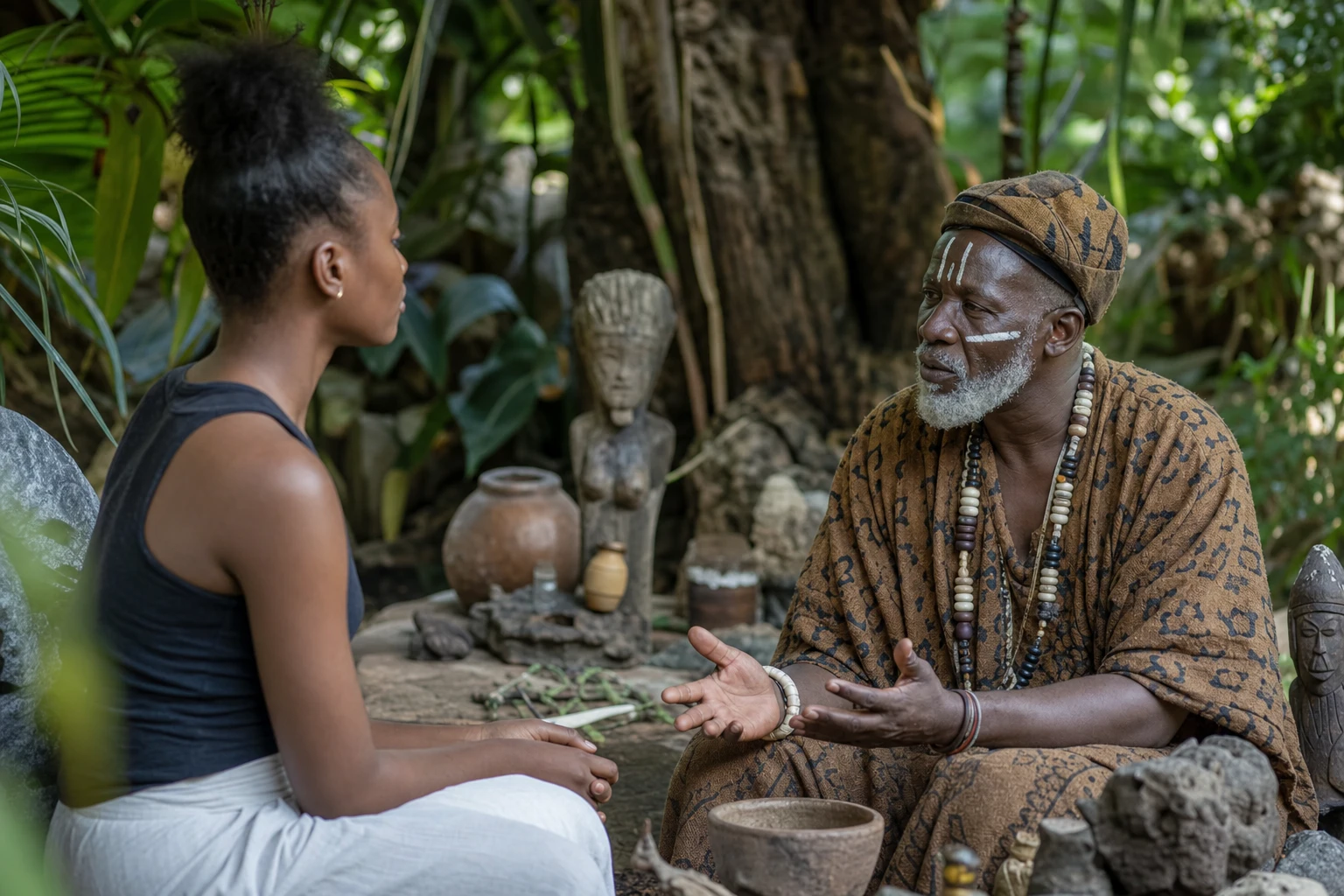
Understanding Spiritual Beliefs: Traditions, Practices and Personal Meaning
Spiritual beliefs are personal and cultural ideas that help people make sense of life, purpose, relationships, nature, identity and major life transitions. For many, they offer a language for exploring meaning, values and connection.
Understanding spiritual beliefs also means recognizing that spirituality is not the same for everyone. Beliefs may differ between individuals, families, cultures, communities and traditions.
Some people connect spirituality with religion, ancestors, prayer or traditional beliefs. Others experience it through personal spirituality, nature, quiet reflection or ethical living.
Understanding Spiritual Beliefs and Meaning
Spiritual beliefs are the ideas people hold about meaning, purpose, connection and what they consider sacred or deeply important. These beliefs may include thoughts about a higher power, ancestors, nature, values, inner growth or the unseen aspects of life.
Spirituality can involve prayer, meditation, ceremonies, symbolic rituals, storytelling, service, gratitude or personal reflection. For some, it is closely connected to an organized religion; for others, it is more personal and informal.
There is no single definition of spirituality shared by everyone. That is why understanding spiritual beliefs requires patience, openness and respect for the many ways people interpret their experiences.
How Spiritual Beliefs Develop Over a Lifetime
Spiritual beliefs often begin with family and upbringing. Childhood stories, household customs, religious education, cultural spiritual practices and community traditions can all influence how a person first understands spirituality.
Over time, personal experiences may shape or change those beliefs. Joy, loss, travel, relationships, illness, parenthood, aging and other life changes can lead people to question, deepen or redefine what they believe.
Personal reflection also plays an important role. Through reading, conversation, spiritual guidance, journaling or quiet thought, people may keep some beliefs, release others or develop a more personal understanding of their path.
Traditional Spiritual Beliefs and Cultural Practices
Traditional spiritual beliefs are often connected to the history, identity and shared memory of a community. They may include ceremonies, prayers, symbolic objects, seasonal observances, ancestral stories and customs passed down through generations.
Traditional spiritual practices can help people feel connected to family, land, heritage and community. These practices may carry meanings that are spiritual, cultural, historical or social at the same time.
It is important not to assume that one tradition represents all spiritual beliefs. When learning about unfamiliar traditions, resources such as Britannica’s overview of religion can provide broad context, but direct cultural respect and humility are still essential.
Spiritual Practices and Personal Reflection
Many people use spiritual practices as part of their personal spirituality. These may include meditation, prayer, journaling, intention-setting, quiet reflection, candle lighting, time in nature or symbolic rituals.
Such practices can support spiritual reflection by creating space to think about values, emotions, choices and intentions. However, they should be understood as personal, cultural or spiritual practices rather than scientifically proven methods for producing specific outcomes.
A person may find meaning in a ritual because of faith, memory, tradition or personal experience. That meaning is valuable to the individual, but it should not be presented as guaranteed evidence that a specific external result will occur.
How Spiritual Beliefs Can Influence Personal Decisions
Spiritual beliefs can influence how people think about personal values, relationships, responsibility and life goals. They may encourage someone to ask what kind of life they want to live and how their actions affect others.
During major life changes, spiritual beliefs may offer comfort, perspective or a sense of continuity. People may reflect on gratitude, forgiveness, service, personal growth or their connection to family and community.
At the same time, individuals remain responsible for their own decisions and actions. Spiritual reflection can be meaningful, but it should not replace qualified medical, psychological, legal or financial advice when professional support is needed.
Exploring Spiritual Beliefs Through Consultation
A private spiritual consultation can provide a respectful setting for someone to discuss spiritual interests, traditional practices, personal concerns and intentions. It may be helpful for people who want to better understand their own beliefs in a focused conversation.
A consultation should center on listening, reflection and understanding rather than making promises. Ethical spiritual guidance does not guarantee money, love, healing, protection, success or any specific outcome.
If you are curious about this process, you can learn more through an internal resource such as private spiritual consultation or explore related topics in spiritual guidance. These conversations are best approached as support for reflection, not as a substitute for professional advice.
Respecting Different Spiritual Perspectives
Respect is essential when discussing spiritual beliefs. People may interpret similar experiences in very different ways depending on culture, religion, family history, personal values and life experience.
One person may understand an event through prayer, another through tradition, and another through personal meaning or coincidence. These interpretations are deeply personal and should be approached with care.
When learning about unfamiliar traditional beliefs or cultural spiritual practices, curiosity should be paired with humility. Listening, asking thoughtful questions and avoiding stereotypes can help create more respectful conversations.
Understanding spiritual beliefs means recognizing them as diverse personal and cultural perspectives that help people explore meaning, identity and connection. No single belief system needs to be treated as superior in order to appreciate its importance to those who practice it.
Spiritual beliefs, traditional spiritual practices and personal reflection can all play meaningful roles in people’s lives. The key is to approach them with honesty, respect and awareness of the difference between belief, personal experience and scientific evidence.
If you would like to explore your spiritual beliefs, personal intentions or traditional practices in a private and respectful setting, you can request a spiritual consultation.