
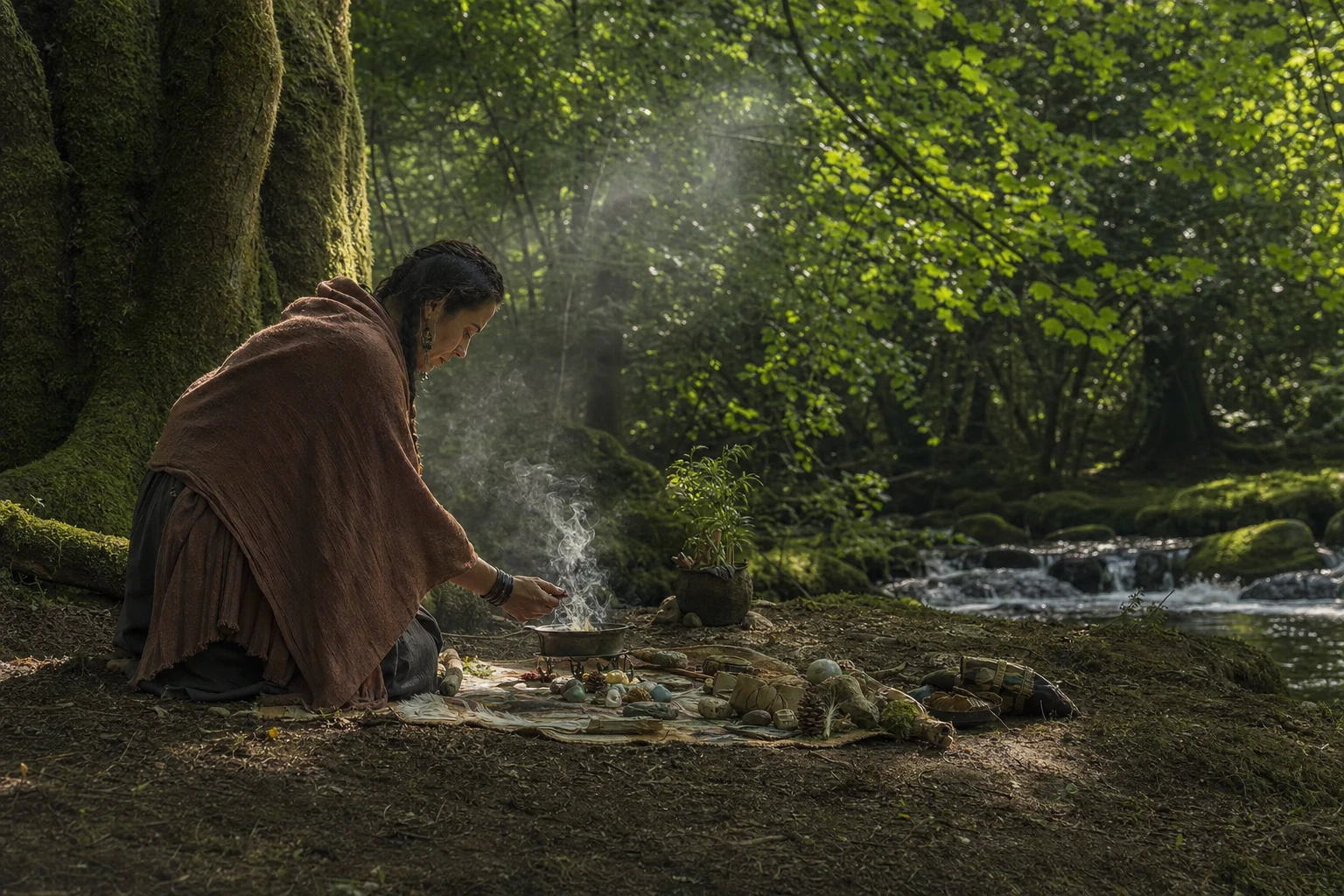
Luck & Opportunity Rituals: A Spiritual Perspective
Throughout history, people have turned to ritual during moments of uncertainty, transition and hope. Whether beginning a new job, moving to a new home, starting a relationship or seeking a fresh direction in life, spiritual practices have often helped people pause, reflect and prepare inwardly for change.
Luck and opportunity rituals are best understood as symbolic and personal spiritual practices. They may be connected with positive intentions, protection, renewal, gratitude or new beginnings, depending on a person’s culture, beliefs and circumstances.
Rather than controlling external events, these rituals often provide a meaningful way to focus the mind and heart. For many people, they create space for spiritual reflection, personal clarity and a more intentional approach to the path ahead.
What Are Luck and Opportunity Rituals Really?
Luck and opportunity rituals are traditional or symbolic practices used to express hope, welcome positive change and prepare spiritually for new possibilities. They may involve prayer, candles, meaningful objects, cleansing, affirmations or quiet reflection.
Different cultures and spiritual traditions have their own traditional luck practices. Some are connected with prosperity, some with protection, some with renewal, and others with opening the way for fresh opportunities.
It is important to approach these practices respectfully. Traditional spiritual rituals can carry deep cultural and personal meaning, and their significance may vary widely from one person or community to another.
The Spiritual Meaning Behind Luck Rituals
From a spiritual perspective, luck rituals often represent hope and openness. They may help a person feel more grounded when entering an unfamiliar season of life or facing an important decision.
These rituals can also symbolize confidence, gratitude and preparation. Lighting a candle, saying a prayer or choosing a symbolic object may remind someone to stay focused on their values, goals and positive intentions.
The meaning of a ritual depends on the person practicing it. For one individual, it may be an act of faith; for another, it may be a moment of mindfulness, cultural connection or personal renewal.
Common Elements of Luck & Opportunity Rituals
Many luck and opportunity rituals include intention-setting. This may involve naming what a person hopes to welcome, such as clarity, courage, steady work, helpful connections or a peaceful transition into a new chapter.
Other common elements may include candles, symbolic objects, traditional prayers, affirmations or cleansing practices. These are often used to mark a shift in energy, mindset or personal focus rather than to force a particular outcome.
Gratitude is also a frequent part of traditional luck practices. Symbols associated with prosperity, growth, protection or new beginnings may be included as reminders of what the person values and hopes to nurture.
Using Rituals to Set Positive Intentions
A symbolic ritual can help someone clarify what they truly want to focus on. Through personal intention-setting, a person may identify goals, release distractions and approach a new opportunity with greater awareness.
This process is mainly about the individual’s mindset, choices and actions. For example, a ritual before an interview, move or business decision may help someone feel calmer and more prepared.
Rituals can create a reflective pause. In that pause, a person may ask: What am I ready to begin? What do I need to learn? What actions can I take with honesty, patience and responsibility?
Luck, Opportunity and Personal Responsibility
While spiritual practices may offer comfort and focus, pursuing opportunities also requires practical effort. Luck and opportunity are often shaped by preparation, timing, relationships, decisions and persistence.
Recognizing opportunities means staying aware and informed. It may also involve building useful skills, communicating clearly with others, seeking advice when needed and preparing for change in realistic ways.
Spiritual practices can be approached alongside practical planning. They should not be treated as a substitute for professional financial, medical, legal or psychological advice, or for responsible decision-making.
What Luck & Opportunity Rituals Cannot Guarantee
Luck rituals cannot guarantee money, employment, business success, romantic outcomes, investment returns, lottery prizes, game results or any other specific external result. No ritual can control every circumstance or decision involved in life’s outcomes.
Results depend on many factors, including preparation, timing, personal choices, other people’s actions and wider conditions. A ritual may feel meaningful, but it should not be seen as a promise of a certain result.
This realistic view helps protect the spiritual value of the practice. When approached honestly, luck and opportunity rituals can support reflection and intention without creating false expectations.
Exploring Luck & Opportunity Rituals During a Spiritual Consultation
Someone interested in traditional luck and opportunity practices may choose to request a private spiritual consultation. This can provide a respectful space to discuss goals, intentions, beliefs and questions about traditional practices.
A consultation may explore what kind of spiritual guidance feels appropriate for the person’s situation. It may include conversation about personal intentions, symbolic practices, prayer, reflection or culturally rooted approaches.
Such a consultation should be understood as a private and respectful conversation, not a promise of a particular outcome. Its value often lies in clarity, support and thoughtful spiritual reflection.
Approaching Luck Rituals With Realistic Expectations
People experience spiritual rituals differently. Some may feel comfort, strength or renewed confidence, while others may see the practice mainly as symbolic or reflective.
Both experiences are valid. Traditional spiritual rituals can have personal meaning without guaranteeing external results or replacing practical action.
A thoughtful approach honors both spirituality and responsibility. When practiced with care, luck rituals can encourage positive intentions, patience and a more conscious relationship with change.
Luck and opportunity rituals have long been part of the human search for hope, direction and renewal. At their best, they serve as tools for reflection, intention-setting and spiritual connection during times of change.
They do not control outcomes, but they can help a person pause, prepare inwardly and move forward with greater awareness. When combined with practical planning and responsible action, these rituals may support a balanced approach to new beginnings.
If you would like to explore traditional luck and opportunity practices in relation to your own goals and intentions, you can request a private spiritual consultation for personal guidance.