
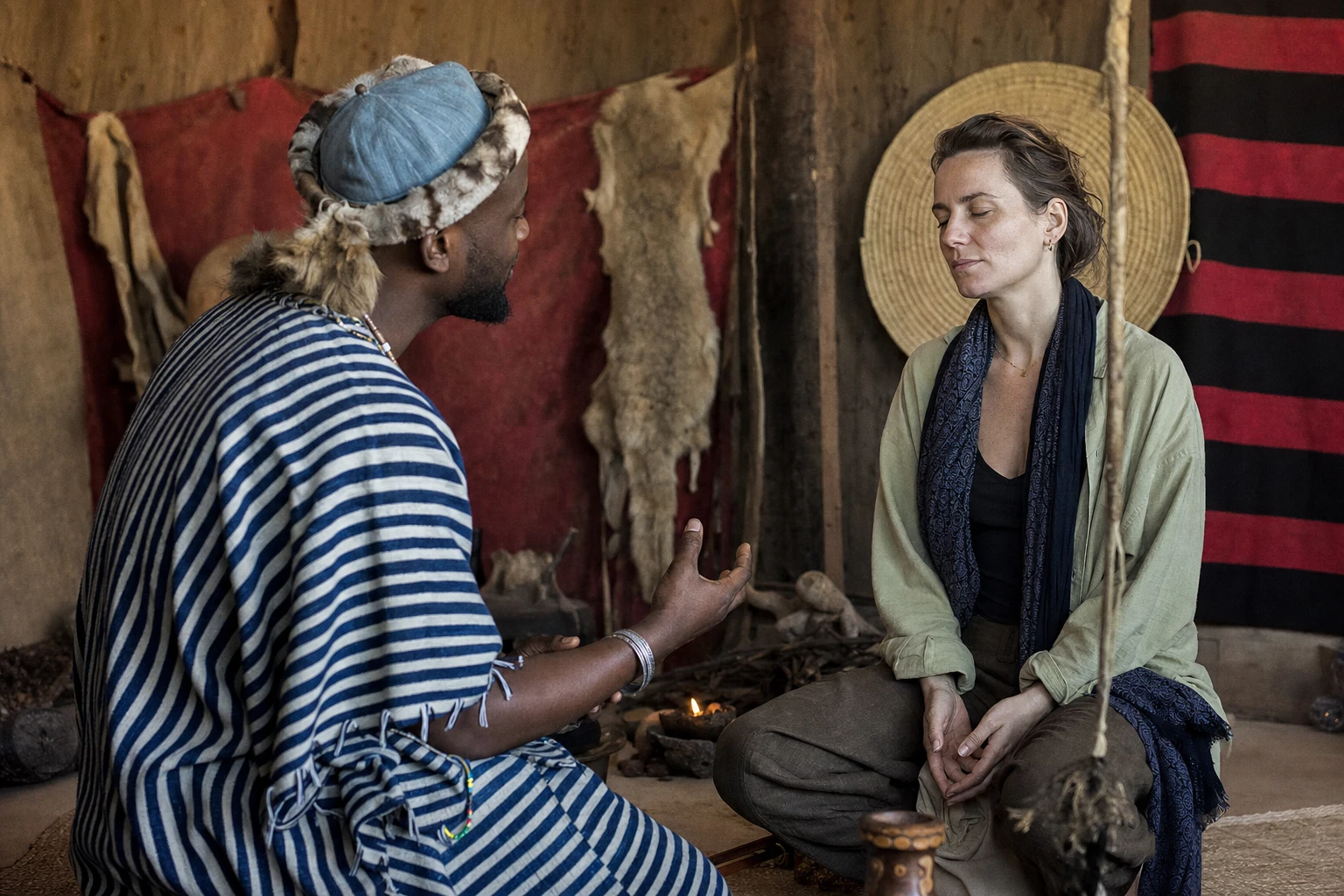
How Spiritual Cleansing Practices for Personal Reflection Are Used for Renewal
Many traditional and cultural practices use cleansing as a symbol of renewal, transition, and inner preparation. Across different communities, cleansing may involve water, herbs, prayer, incense, meditation, or quiet reflection, depending on the beliefs and customs involved.
For some people, spiritual cleansing practices for personal reflection offer a meaningful way to pause before starting a new chapter. The practice may become a symbolic moment to reassess goals, release old patterns in a personal sense, and consider what they want to carry forward.
These practices are best understood with respect and realistic expectations. They are not scientifically established treatments or guarantees of specific outcomes, but they may provide a thoughtful space for spiritual renewal, personal intention-setting, and deeper self-awareness.
Spiritual Cleansing Practices for Personal Reflection: What Does Spiritual Cleansing Mean?
Spiritual cleansing generally refers to a traditional, symbolic, or personal practice intended to support renewal, reflection, or a sense of spiritual reset. Its meaning can vary widely depending on culture, religion, family tradition, or personal belief.
In some traditions, cleansing may be connected to prayer, sacred plants, ritual bathing, smoke, sound, or meditation. In others, it may be a private act of reflection, such as lighting a candle, cleaning a room, or sitting quietly with a clear intention.
It is important to approach traditional spiritual cleansing with cultural sensitivity. These practices should not be presented as scientifically proven methods for changing life circumstances, but rather as meaningful spiritual or symbolic practices that people may use for personal reflection.
Why Combine Cleansing With Personal Reflection?
Cleansing practices often create intentional time to pause. In a busy life, that pause can help someone reflect on personal experiences, relationships, habits, goals, values, and the changes they want to make.
The value many people find in spiritual cleansing practices comes from the attention they bring to the moment. A simple ritual can invite questions such as: What am I learning? What do I need to change? Where do I need stronger personal boundaries?
When paired with practical action, personal reflection can be especially useful. For example, a person may use a cleansing ritual to reflect on communication patterns, then follow through by having an honest conversation or making a thoughtful decision.
Traditional Practices Used for Reflection
Water-based cleansing traditions are found in many cultures and may symbolize renewal, humility, or beginning again. Symbolic bathing rituals, handwashing, or mindful time near water may help some people reflect on what they are ready to release emotionally or spiritually.
Herbal or plant-based traditions, incense, and aromatic practices are also common in many traditional spiritual practices. These may be used respectfully as part of prayer, meditation, or quiet reflection, without claiming that they produce guaranteed results.
Other reflective practices may include decluttering a personal space, creating a renewed environment, journaling, or setting a personal intention. You may also find related resources on spiritual guidance, traditional spiritual practices, and personal renewal rituals.
Creating Personal Intentions During a Cleansing Practice
A cleansing practice can be a natural time to identify what you want to focus on going forward. Rather than expecting the ritual to control events, the focus can be on clarifying your own values and next steps.
Healthy intentions might include: “I want to communicate more openly,” “I want to make decisions with greater clarity,” or “I want to establish healthier boundaries.” These statements are personal, grounded, and focused on your own growth.
Other intentions may include: “I want to focus on my personal goals,” or “I want to approach the next chapter of my life with greater confidence.” Personal intention-setting works best when it is followed by practical choices that support the intention.
Spiritual Cleansing and New Beginnings
Many people turn to spiritual cleansing practices during periods of transition. These may include moving to a new home, starting a new job, ending a relationship, beginning a new relationship, or recovering from a difficult period.
A symbolic cleansing may also be used before starting a personal project or setting new personal goals. In these moments, the practice can serve as a marker of change, helping someone acknowledge where they have been and where they hope to go.
New beginnings often require both reflection and action. A ritual may help create emotional focus, while practical planning, honest communication, and appropriate support help turn reflection into real-life progress.
What Spiritual Cleansing Cannot Guarantee
Spiritual cleansing practices cannot guarantee specific life outcomes. They should not be described as ways to automatically remove bad luck, curses, negative energy, relationship problems, financial problems, or health conditions.
A cleansing ritual cannot control external events or another person’s thoughts, choices, or behavior. People’s beliefs and experiences with traditional spiritual cleansing can differ, and it is important to keep expectations balanced.
Spiritual guidance should not replace qualified medical, psychological, financial, or legal advice. When serious concerns are present, personal reflection should be accompanied by practical decision-making and appropriate professional support.
Exploring Spiritual Cleansing During a Private Consultation
A private spiritual consultation may offer a respectful space to discuss personal circumstances and explore what kind of reflection feels meaningful. The conversation is usually private, non-judgmental, and centered on the individual’s intentions.
During a consultation, someone may discuss current challenges, life transitions, personal goals, or areas where they want greater clarity. The focus may include exploring relevant traditional practices and understanding their symbolic meaning.
A consultation may also include practical next steps, such as journaling prompts, personal intention-setting, or ways to create a calmer environment for reflection. Readers interested in this kind of support can learn more through a private spiritual consultation.
Creating Intentions Through Cleansing Rituals
Intentions give a cleansing practice direction. Instead of treating the ritual as a quick solution, the person can use it as a mindful moment to name what they want to strengthen, change, or understand.
For example, someone might light incense, sit quietly, and reflect on one question: “What do I need to approach differently?” Another person may take a symbolic bath while thinking about patience, self-respect, or courage.
The most meaningful intentions are often simple and realistic. They focus on personal responsibility, emotional honesty, and the next step someone can take in daily life.
Spiritual cleansing practices for personal reflection can offer a symbolic way to pause, renew focus, and set thoughtful intentions. Whether rooted in traditional spiritual practices, family customs, or private reflection, these practices may help people mark transitions and approach new beginnings with greater awareness.
They should always be approached respectfully, with realistic expectations and an understanding that spiritual practices do not guarantee specific outcomes. When needed, spiritual reflection should be supported by practical choices and qualified professional guidance.
If you would like to explore spiritual cleansing practices as part of your own personal reflection and renewal, you can request a private spiritual consultation to discuss your circumstances and intentions.