
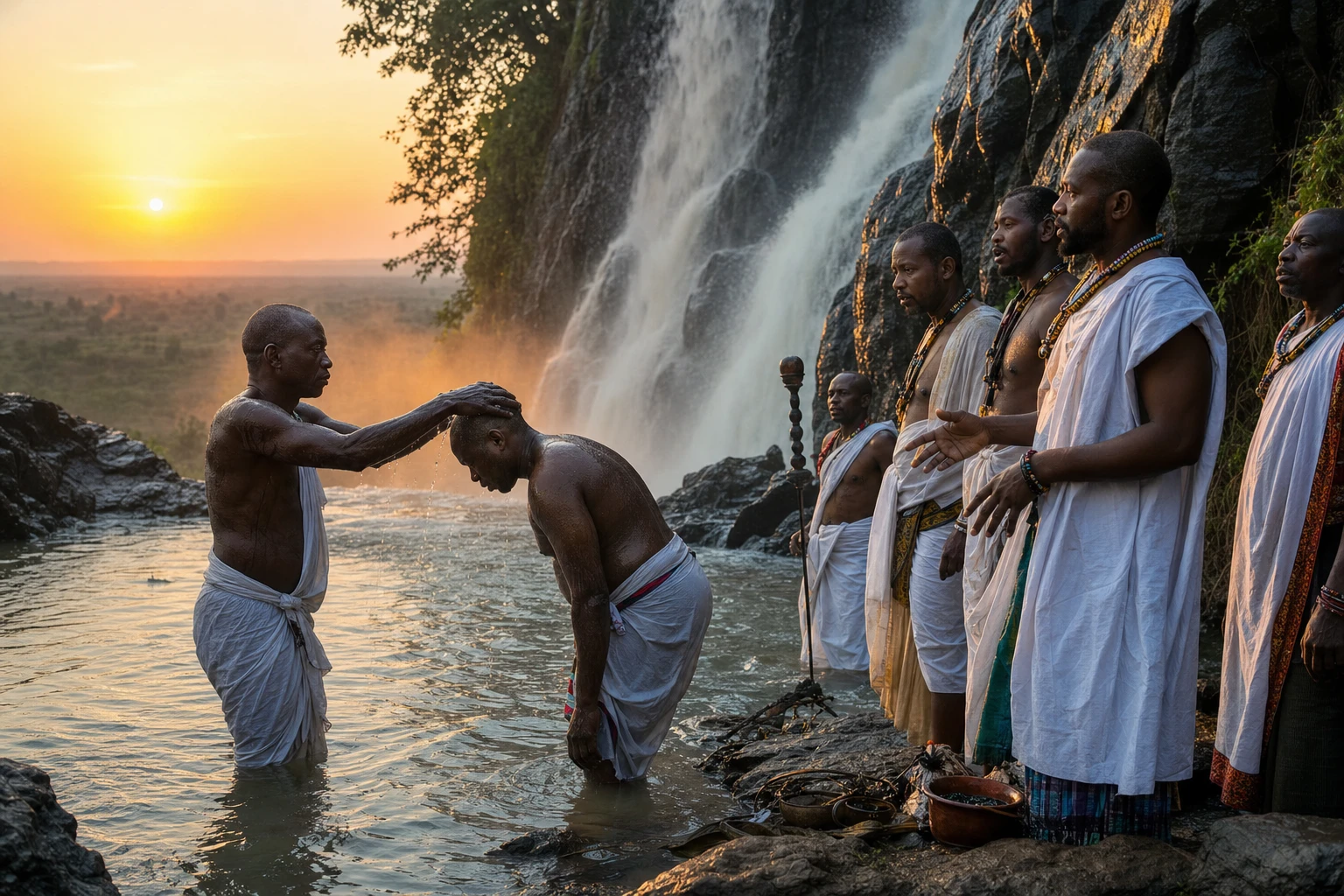
Traditional Cleansing Rituals and Their Cultural Meaning
Traditional cleansing rituals have appeared in many cultures, spiritual traditions and community practices throughout history. While the details vary widely, these rituals often help people mark moments of transition, reflection or personal renewal. For some, they are part of inherited traditional spiritual practices; for others, they are meaningful symbolic acts that support spiritual reflection and emotional preparation.
What Are Traditional Cleansing Rituals?
Traditional cleansing rituals are cultural, spiritual or symbolic practices used to represent purification, release, renewal or preparation.
They are different from ordinary physical hygiene, which focuses on cleanliness of the body for health and comfort.
Spiritual cleansing may involve water, herbs, prayer, incense, meditation or intention, depending on the tradition and personal belief.
The Cultural Meaning Behind Cleansing Rituals
The cultural meaning of cleansing rituals often relates to beginning again, letting go or preparing for an important life stage.
In some communities, cleansing may symbolize respect, humility, readiness, gratitude or reconnection with spiritual values.
Because meanings differ between cultures, no single explanation can represent all traditional cleansing practices or belief systems.
Examples of Traditional Cleansing Practices
Water-based practices and symbolic bathing rituals are common examples, often representing freshness, renewal or emotional release.
Herbal practices, incense and aromatic traditions may be used to create a reflective atmosphere or mark a sacred moment.
Prayer, meditation, decluttering personal spaces and intention-setting can also support spiritual reflection and personal renewal.
Cleansing Rituals and Life Transitions
Many people turn to traditional cleansing rituals when entering a new chapter or recovering from a difficult experience.
These moments may include moving home, ending a relationship, starting work, grieving a loss or seeking emotional clarity.
The ritual does not guarantee an outcome, but it can help someone pause, reflect and move forward with intention.
The Role of Intention and Personal Reflection
For many people, the meaning of a ritual comes from the intention placed behind each action.
This may include gratitude, releasing old habits, asking for spiritual guidance or preparing emotionally for change.
Traditional cleansing rituals can become a personal reminder to act with awareness, responsibility and renewed focus.
Are Traditional Cleansing Rituals Scientifically Proven?
Traditional spiritual cleansing practices are best understood as cultural, spiritual or symbolic practices, not scientifically established treatments.
They should not be used to diagnose, cure or treat medical, psychological, legal or financial problems.
For related reading, explore traditional spiritual practices, spiritual reflection and personal renewal practices.
What to Expect From a Traditional Spiritual Consultation
During a private spiritual consultation, a person may discuss their circumstances, intentions, background and personal concerns.
A practitioner may explain possible traditional approaches while respecting cultural context, personal choice and individual beliefs.
A consultation should not promise specific results, but it may offer spiritual guidance for reflection and informed participation.
Approaching Traditional Rituals With Respect
Respect begins with learning where a practice comes from and avoiding casual or careless use of sacred traditions.
People should consider whether they are participating with permission, understanding and appreciation rather than imitation or stereotype.
Traditional cleansing rituals are most meaningful when approached with humility, sensitivity and practical decision-making.
Traditional cleansing rituals can carry deep cultural meaning, offering symbolic ways to reflect, prepare, release and begin again. Their value often depends on personal belief, community tradition and the intention behind the practice. They should be approached respectfully, without exaggerated claims, and alongside practical support when needed.
If you would like to learn more about traditional cleansing rituals and their cultural meaning, you can request a private spiritual consultation to discuss your circumstances and explore traditional practices in a respectful setting.